15 Backyard BBQ Tips Most First-Time Grillers Don’t Know


 288 Comments


Grilling seems straightforward: throw some meat on fire, flip it a few times, and it's done. However, most newbies experience their initial tries with grilled food in the following manner:
- Burned on the exterior, raw interior
- Dry chicken that tastes like cardboard
- A steak that has been both over cooked and unimpressive
And, the worst part is you don't even know what you did wrong. That is because grilling is not about putting in an effort; it's about being in control. As soon as you are aware of a few barbecue tips that most newbies miss entirely, things will begin to work very quickly.
15 Backyard BBQ Tips Beginner Cooks Should Know
Stop Cooking Based On Time
Most newbies follow recipes that tell them to cook something "for six minutes on each side" or "grill for ten-twelve minutes." However, these time frames do not apply to real world grilling situations. Every grill performs differently. Each type of meat is unique. Heat varies constantly. Time is a lie. Temperature is not.
Use A Meat Thermometer
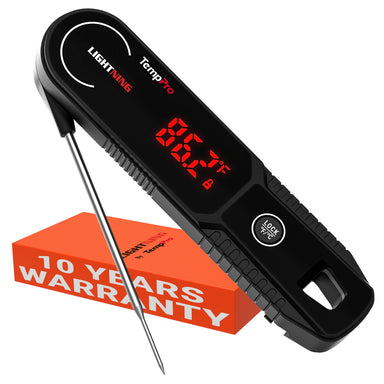
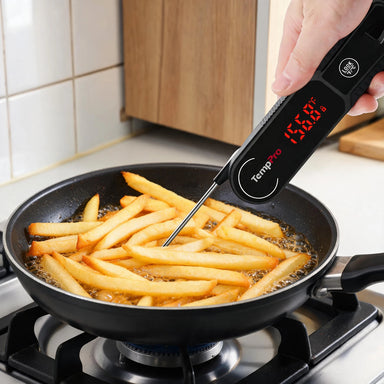
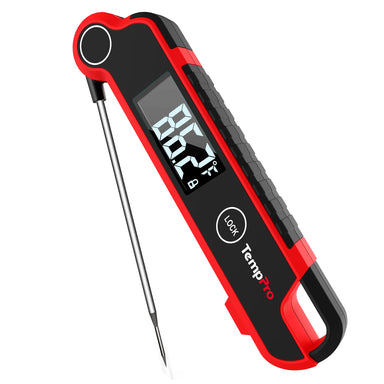
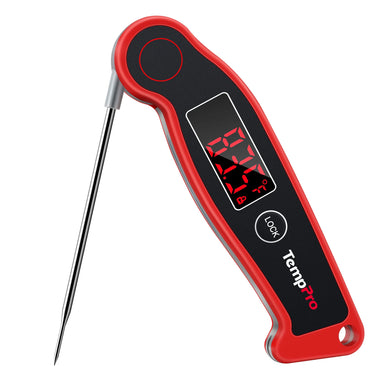
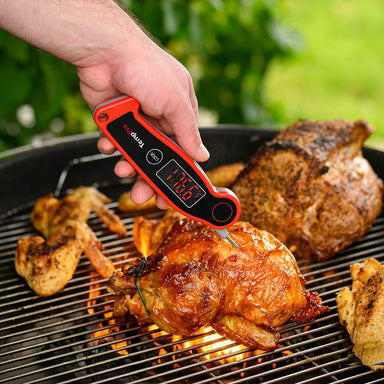
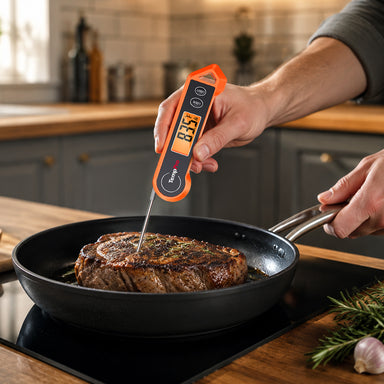
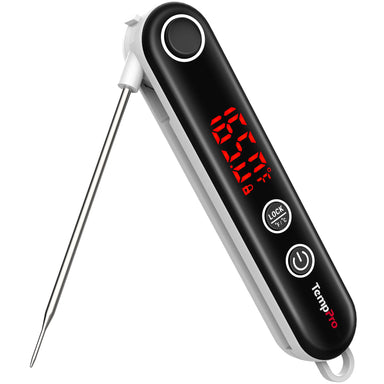
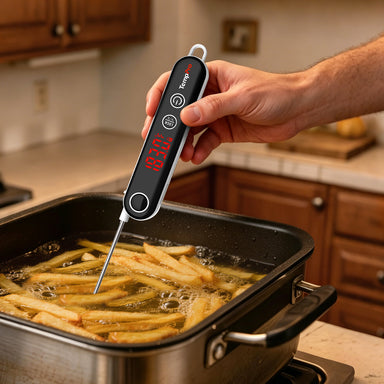
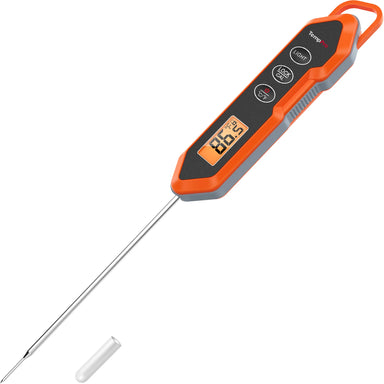
If you only take one thing away from this article, let it be this. Using a meat thermometer such as the TempPro TP605 Instant Read Meat Thermometer eliminates all guesswork.
It reads food temperature in seconds, provides accuracy of ±0.9°F, and measures a wide variety of temperatures from -58°F to 572°F. You now know when your meat is ready. And, that alone gets you ahead of most newbies instantly.

Preheat Your Grill Correctly
Cooking on a cold or uneven grill is a surefire way to ruin your results. You want hot heat for searing, and consistent heat across the grates. Allow at least ten-fifteen minutes for your grill to reach full operating temperature before cooking. This is how you get a nice crust, rather than uneven browning.
Add Enough Seasoning
Most newbies under-season. Salt brings out the natural flavors of the food, while pepper adds depth. For thick cuts of meat, don't be afraid to add plenty of seasoning. If your food tastes flat, it's almost always a seasoning issue, not a cooking problem.
Don't Flip Your Food Constantly
Flipping your food too many times ruins the chance for a proper sear, and slows the cooking process. Give the meat enough time to form a crust. Then, flip it no more than one-two times. Patience produces better texture, and better flavor.

Understand Direct vs. Indirect Heat
This is where grilling begins to feel more intentional, and more controlled. Direct heat is for searing. Indirect heat is for completing the cooking. Begin by searing your food directly over the heat. Then, move it to indirect heat to complete the cooking, and prevent burning.
Know Your Target Temperatures
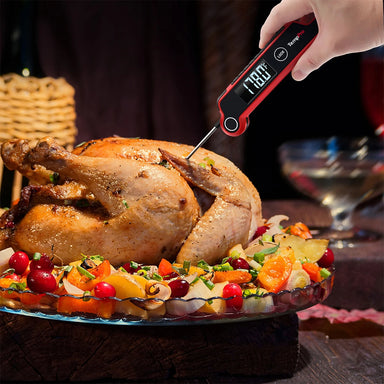
Guessing whether or not your food is done is a recipe for inconsistency. Know your target temperatures instead:
- Steak (Medium Rare): 130-135°F
- Chicken: 165°F
- Burger: 160°F
- Pork: 145°F
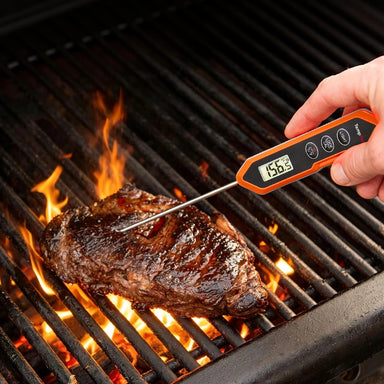
This is where a food thermometer is most valuable.
Check Temperature in the Correct Location
Where you place the probe matters. Insert the probe into the thickest portion of the meat. Avoid inserting it near bone or fat. The TempPro TP605 Instant-Read Meat Thermometer's 180-degree foldable probe allows you to easily check from multiple angles.
Grilled At Night? No Problem.
Most of your grilling will occur in low light. Without sufficient visibility, it is much more difficult to determine if your food is done. The TempPro TP605 has a large, backlit LCD display that makes reading temperatures possible, even in low light.
Also, grilling after sunset can be tricky, even experienced grillers struggle to judge doneness or avoid overcooking in low light. A dedicated grill light is a simple upgrade that makes a big difference, providing focused illumination exactly where you need it instead of relying on patio lights or flashlights. TempPro A100 Grill Lights for Outdoor Grill with 10 LEDs easily clips onto most grill handles and features bright, adjustable LEDs, helping you monitor food color and texture without guesswork. Whether you're hosting a late BBQ or slow-cooking into the evening, adding a grill light ensures consistent results and a more enjoyable experience.

Clean As You Go
Leftover grease and burnt residue can cause flare-ups and transfer unwanted tastes to your food, so it's best to clean the grates while they're still slightly warm after cooking. Regular maintenance also helps extend the life of your grill and keeps it ready for the next BBQ.
For an easier and more effective clean, consider using a dedicated tool like the TempPro AGT300 Bristle-Free Grill Brush. Designed with a durable, bristle-free structure and a wide scraper, it tackles stubborn buildup without the worry of loose wires getting into your food. Its sturdy handle also keeps your hands safely away from heat, making post-grill cleanup quicker, safer, and far more efficient.

Do Not Cut into Meat to Determine Doneness
Cutting into meat releases juices. It will also lower the overall quality of your meal. Don't visually check. Rely on temperature readings to ensure both texture, and flavor.
Allow Meats To Rest
Resting is important. After removing the meat from the heat, allow it to rest so that the juices can redistribute evenly. Smaller cuts should rest for five minutes. Larger cuts may require ten or more minutes. Not resting will result in unnecessary juice loss.
Use Temperature Lock For Safer Reading
High heat, and limited visibility during grilling. TempPro TP605's temperature lock allows you to read temperatures after removing the probe from the meat. It helps keep you safe from excessive heat.
Keep Your Grilling Tools Reliable
Good tools provide consistency. The TP605 offers several features that help maintain long term reliability. These include calibration, and a magnetic back and hanging hook for convenient storage and access.
Consistency Is What Really Sets Beginners Apart from Experienced Grillers
Luck, or guesswork is not the difference. The difference is consistency. Consistency is achieved by learning temperature, using the correct tools, and doing the same proven steps every time. Once you eliminate the variables, your results will be predictable, and repeatable.
How to Use the Right Meat Thermometer Makes All the Difference
You can spend years trying to perfect your grilling by means of trial and error. Or, you can eliminate the uncertainty. The TempPro TP605 Instant-Read Meat Thermometer is designed to provide fast readings, accurate results, clear visibility, and durability to fit your real-world cooking needs. It simplifies the process. It lets you concentrate on execution, rather than guesswork.

FAQ: Beginner BBQ Questions Answered
Q1. Do I really need a meat thermometer for grilling?
Yes. It is the fastest and most reliable way to improve your cooking results.
Q2. Why does my meat always come out dry?
Most cases of dryness come from overcooking. Using temperature instead of time prevents this.
Q3. How often should I check food temperature?
Only when needed. With an instant-read meat thermometer, one quick check is usually enough.
Q4. Can I use the same food thermometer for different foods?
Yes. The TempPro TP605 works across a wide range of foods, including pork beef, chicken, lobster, salmon, duck, and more.
Q5. What is the easiest way to improve grilling quickly?
Stop guessing and start measuring.
Final Thoughts
Grilling does not have to be complicated. The main difference is switching from guessing to knowing. When you understand food temperature, and you are using the correct BBQ tools, like TempPro TP605 Instant-Read Meat Thermometer, everything improves: flavor, texture, and consistency.


Comments


Recommended Products