Brew Like a Pro with Precise Temps


 288 Comments


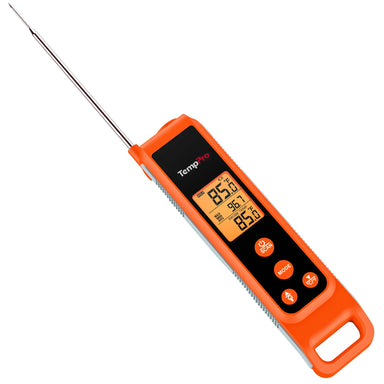
Cold brew coffee is loved for its smooth, rich flavor and low acidity. However, achieving a consistently great batch at home isn’t just about your beans or grind size—it’s about temperature control, steeping time, and monitoring during brewing. In this guide, we’ll show how to leverage temperature to elevate your cold brew game, and how tools like a 2-in-1 infrared and probe thermometer TP420 can help.

Why Temperature Matters in Cold Brew
Unlike hot-brewed coffee, cold brew relies on slow extraction over 12–24 hours. Temperature controls the rate at which compounds like caffeine, sugars, and acids are extracted. If the water is too cold, extraction may be incomplete, producing a weak flavor. Too warm, and bitterness may develop.
Science Insight: Research shows that lower temperatures reduce acidity and bitterness, creating smoother coffee. Consistent temperature ensures uniform extraction, preventing uneven flavor in your batch.
Step-by-Step Cold Brew Brewing Guide
- Select Coffee Beans: Medium-to-dark roasts are ideal; single-origin beans work well.
- Grind Coarsely: Coarse grinds prevent over-extraction and sediment.
- Measure Coffee and Water: A 1:4 ratio produces a concentrate; adjust as desired.
- Combine Coffee and Water: Stir gently to fully saturate grounds.
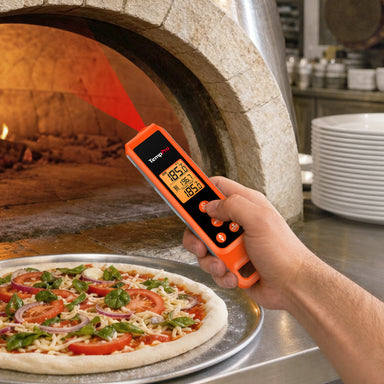
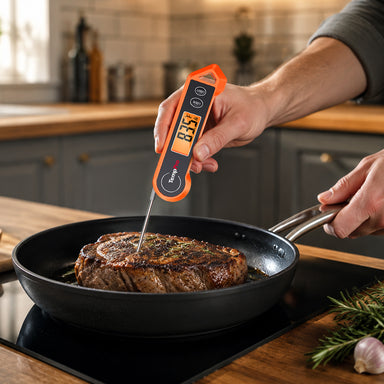
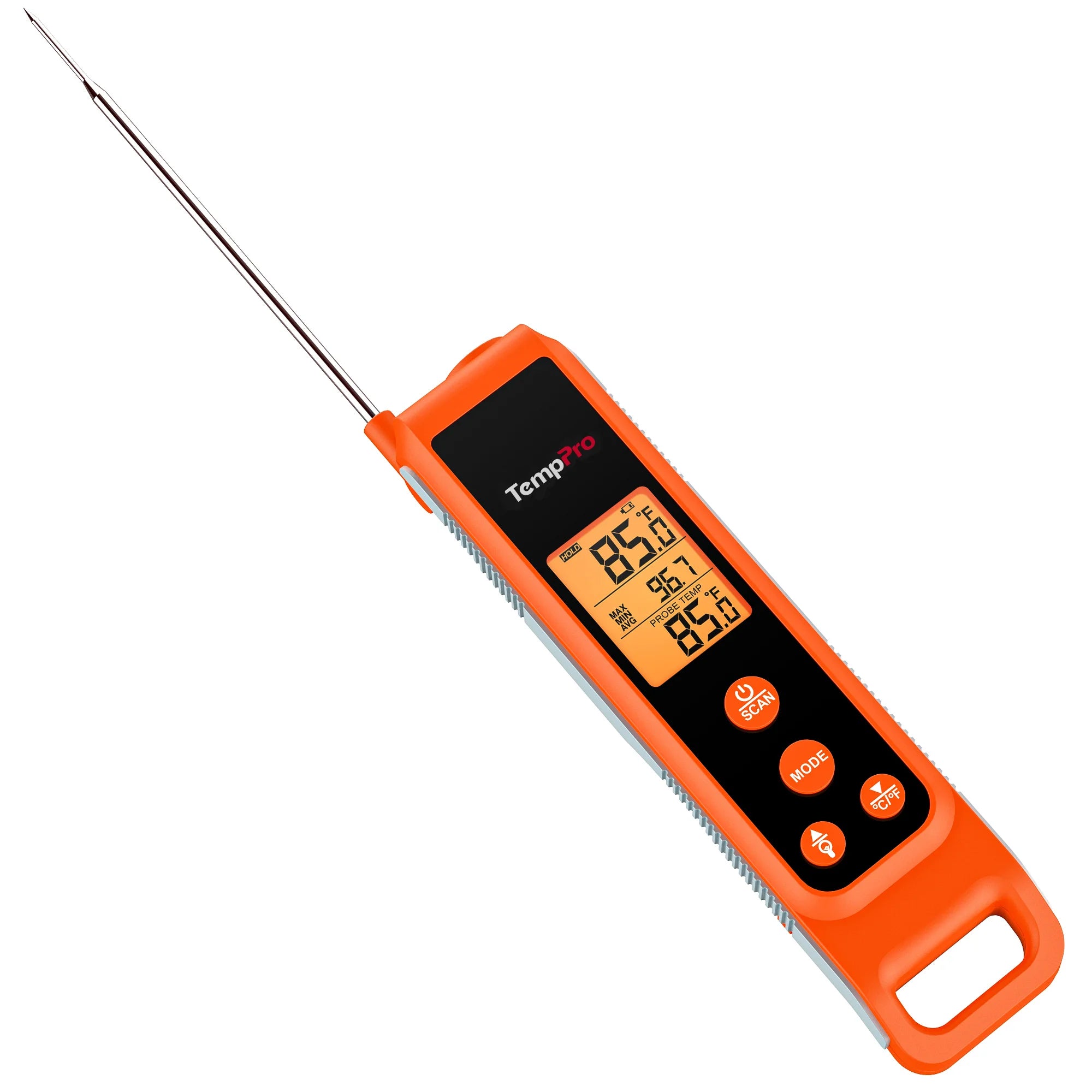
- Monitor Steeping Temperature: This is where a TempPro TP420 2-in-1 thermometer can be invaluable. Use the infrared function to check surface temperature, and the probe to monitor internal liquid temperature. Ideal room-temperature steeping is 68–72°F (20–22°C).
- Steep for 12–24 Hours: Keep temperature stable. Warmer water shortens steeping; colder water allows for longer extraction.
- Filter the Grounds: Use a fine mesh or coffee filter. Quickly check the temperature of the filtered concentrate—too warm and volatile compounds may affect taste.
- Serve: Dilute with water or milk and serve over ice. Final temperature affects flavor perception, so monitor before serving.
Optimal Temperature Ranges for Extraction
| Method | Ideal Temperature | Notes |
|---|---|---|
| Fridge Steep | 36–40°F (2–4°C) | Slowest extraction, mild flavor |
| Room Temp | 68–72°F (20–22°C) | Balanced flavor; standard method |
| Warm Cold Brew | 75–80°F (24–27°C) | Faster extraction, slightly higher acidity |
Tools to Monitor Temperature
Maintaining the right temperature is critical. Recommended tools include:
- Instant-Read Thermometers: Quick spot checks.
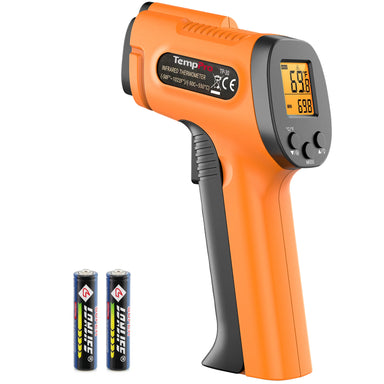
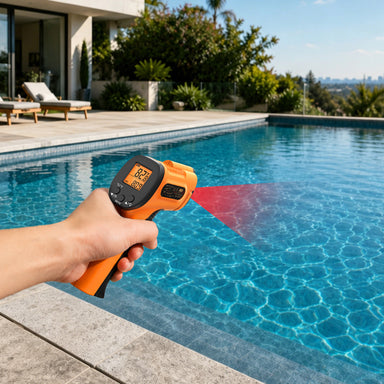
- Infrared Thermometers: Measure surface temperature without contact.
- 2-in-1 Infrared & Probe Thermometer TP420: Combines both methods, perfect for cold brew. Check water before steeping and monitor throughout.
Tip: Regularly verify your water or coffee temperature using the TP420 to maintain consistency during steeping.

Common Cold Brew Mistakes Related to Temperature
- Ignoring temperature: Letting water or ambient conditions drift too high or low.
- Too warm or too cold: Can over-extract or under-extract compounds.
- Skipping monitoring tools: Even minor fluctuations over 12+ hours can affect flavor.
Using a thermometer ensures you avoid these mistakes, particularly for first-time cold brew brewers.
Enhancing Flavor Through Temperature
- Experiment with small adjustments: Slightly warmer steeping increases strength; colder yields smoother, sweeter notes.
- Combine temperature monitoring with bean selection and grind size to fine-tune flavor profiles.
- Keep serving temperature controlled for optimal taste perception.
Conclusion: Temperature-Driven Cold Brew Mastery
Cold brew coffee is a temperature-sensitive craft. Consistent monitoring—from water preparation to steeping—can dramatically enhance flavor and smoothness. Tools like the TempPro TP420 2-in-1 thermometer provide practical, precise monitoring, letting you focus on flavor rather than guesswork. By prioritizing temperature, even home brewers can achieve barista-quality cold brew at home.


Comments
You May Also Like


Recommended Products