9 Halloween Food Safety Tips: Keep Your Family Safe


 288 Comments


Keep your family safe this Halloween by refrigerating perishable party foods at 40°F or below, keeping hot foods at 140°F or above, preventing cross-contamination, checking trick-or-treat candy, and accounting for food allergies. Use a food thermometer to ensure BBQ meats reach safe internal temperatures, and try a candy thermometer when making homemade caramel apples or hard candy. Refrigerate leftovers within two hours and reheat them to 165°F before serving.
Halloween is all about costumes, candy, spooky decorations, and gathering with friends and family. But between trick-or-treating, preparing party snacks, and cooking a big Halloween dinner, food safety can easily be overlooked.
A platter of finger sandwiches may sit on the table for hours. A bowl of cut fruit might be left out while kids play games. Parents may be busy handing out candy while dinner cooks on the grill. These everyday situations can create opportunities for harmful bacteria to grow or allergens to cause unexpected reactions.
The good news is that a few simple habits can help you prevent foodborne illness and enjoy the holiday with greater peace of mind. This guide covers practical Halloween food safety tips, from checking trick-or-treat candy and keeping party food fresh to handling food allergies and using a meat thermometer when smoking ribs for a Halloween feast.
Table of Contents
- Keep Perishable Halloween Party Foods Properly Chilled
- Keep Hot Foods Hot and Monitor Meat Temperatures
- Halloween Food Safety Temperature Guide
- Prevent Cross-Contamination
- Check Trick-or-Treat Candy Before Letting Kids Eat It
- Watch Out for Food Allergies at Halloween Parties
- Be Careful With Raw Dough and Unpasteurized Drinks
- Making Homemade Halloween Candy? Check the Temperature
- Store Halloween Leftovers Safely
- FAQs about Halloween Food Safety
- Final Thoughts
Keep Perishable Halloween Party Foods Properly Chilled
Halloween parties often feature finger sandwiches, cheese platters, cut fruit, tossed salads, and cold pasta dishes. These foods are convenient for guests, but many contain ingredients that need refrigeration. According to the USDA and FDA, harmful bacteria can grow quickly when perishable foods stay at unsafe temperatures for too long.
Which Halloween party foods need refrigeration?
Keep the following foods refrigerated until shortly before serving:
- Finger sandwiches: Especially those filled with deli meats, chicken salad, tuna salad, eggs, or cheese.
- Cheese platters: Soft cheeses and cheese served with meats should be handled carefully and kept cold.
- Cut fruit and mixed salads: Cut melon, prepared fruit, and ready-to-eat salads need proper temperature control.
- Cold pasta dishes: Pasta salads containing meat, poultry, seafood, eggs, or creamy dressings should stay chilled.
- Cream-filled desserts: Cream pies and cakes topped with whipped cream or cream cheese frosting may require refrigeration.
A Halloween-themed presentation does not change these requirements. Whether you serve food on a pumpkin-shaped platter or arrange sandwiches like spooky fingers, the same food safety rules apply.
Follow the two-hour rule
Keep cold perishable foods at 40°F or below. Do not leave them at room temperature for more than two hours. If the temperature is above 90°F, reduce that limit to one hour.
For a Halloween party that lasts several hours, avoid putting all the food out at once. Instead, try these practical steps:
- Prepare food in advance and refrigerate it promptly.
- Put out small portions just before guests are ready to eat.
- Keep backup portions in the refrigerator.
- Place cold serving dishes over ice when food needs to stay on the table.
- Replace nearly empty dishes with fresh portions instead of topping up old food.
If perishable food has exceeded the recommended time limit, discard it. Do not rely on its smell, appearance, or taste to determine whether it is safe.
Helpful tip: Use smaller serving trays for finger sandwiches, cheese, and fruit. This makes it easier to keep most of the food refrigerated while guests enjoy the portions already on the table.

Keep Hot Foods Hot and Monitor Meat Temperatures
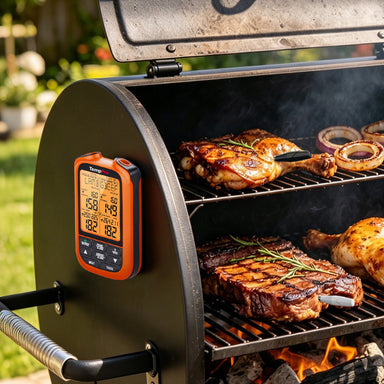
When serving hot food at a Halloween party, keep cooked dishes at 140°F or above to help prevent bacterial growth. If you're preparing grilled chicken, smoked ribs, or a roast turkey for your guests, make sure the meat reaches its recommended safe internal temperature before serving.
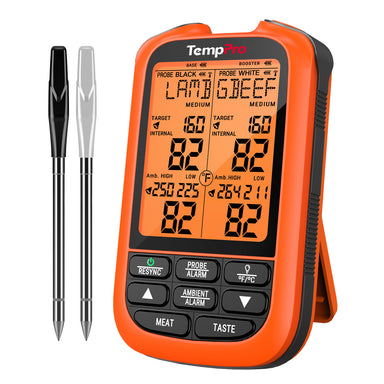
A wireless meat thermometer can make this easier, especially when you're cooking several dishes at once. The TempPro TempSpike Pro TP980 Smart Wireless Meat Thermometer lets you monitor up to four cuts of meat through its compatible app, so you can check cooking progress and receive temperature alerts while preparing other party foods.
Why the TempSpike Pro TP980 Is Useful for Halloween Cooking
- Monitor up to four dishes at once. Track different cuts of meat or monitor several dishes during a Halloween BBQ. For example, you can monitor ribs and larger cuts of meat while keeping an eye on other foods that need longer cooking times.
- Wi-Fi connectivity for remote monitoring. Check cooking progress through the compatible app when connected as instructed, giving you more freedom to prepare side dishes or spend time with guests.
- Up to 1,060 feet of Bluetooth range. Monitor food temperatures from a distance without having to hover over the grill or smoker.
- Track internal and ambient temperatures. Keep track of both the temperature inside the meat and the surrounding cooking environment to better understand how your food is progressing.
- Instant App alerts to help you stay on track. Set temperature targets and receive notifications so you can keep track of cooking progress without constantly opening the smoker or grill.

Remember that cooking meat to a safe internal temperature and keeping cooked food hot are two separate steps. Use a thermometer to check doneness, and keep hot dishes at 140°F or above until serving.
Halloween Food Safety Temperature Guide
Keeping food at the right temperature is essential for preventing foodborne illness during Halloween parties. Cold foods should stay cold, hot foods should remain hot, and leftovers must be reheated thoroughly before serving. Use the temperature guide below to help keep your Halloween treats and party dishes safe.
| Food | Minimum Safe Internal Temperature |
|---|---|
| Keep refrigerated foods cold | 40°F or below |
| Keep hot foods warm for serving | 140°F or above |
| Reheat leftovers | 165°F |
| Chicken and turkey | 165°F |
| Ground meat, including beef burgers | 160°F |
| Beef, pork, and lamb steaks, chops, and roasts | 145°F, followed by a 3-minute rest |
| Pork ribs | 145°F, followed by a 3-minute rest, for safety; around 190–203°F for a more tender texture |
Prevent Cross-Contamination
Cross-contamination happens when harmful bacteria transfer from raw meat, poultry, seafood, or their juices to food that is ready to eat.
To prevent it:
- Use separate cutting boards and utensils for raw meat and fresh produce.
- Wash your hands with soap and water before preparing food and after handling raw meat.
- Never place cooked ribs or burgers on a plate that previously held raw meat unless the plate has been washed thoroughly.
- Clean countertops, knives, tongs, and other food-contact surfaces between tasks.
- Keep raw meat sealed and stored below ready-to-eat foods in the refrigerator.
These steps are especially important when preparing several Halloween dishes at the same time. A little organization can help prevent contamination before the party begins.
Check Trick-or-Treat Candy Before Letting Kids Eat It
Trick-or-treating is one of the highlights of Halloween for many American families. Children may be excited to open their candy bags as soon as they return home, but parents should inspect the treats first.
What should parents look for?
Before children eat their candy, spread the treats out in a well-lit area and check each item.
- Check the packaging. Discard candy with torn wrappers, damaged seals, or packaging that appears to have been opened.
- Look for unusual changes. Throw away items that appear spoiled, contaminated, or otherwise suspicious.
- Avoid loose, unpackaged treats from unknown sources. Use extra caution with homemade treats unless they come from someone you know and trust.
- Check expiration dates when applicable. Discard products that are expired or otherwise appear unsafe.
- Remove choking hazards. Keep hard candy, gum, and other small or difficult-to-chew treats away from very young children.
If something looks suspicious, do not taste it to check whether it is safe. Throw it away. Candy tampering is not something parents need to assume is common, but inspecting treats is a sensible precaution that helps identify damaged packaging and other obvious concerns.

Do not let kids snack while walking
Children may be tempted to eat candy as they go from house to house. Encourage them to wait until they return home so an adult can inspect the treats and check the ingredient labels.
This is also a good opportunity to remind younger children not to eat anything until a parent or trusted adult has approved it. For children with food allergies, checking the candy is especially important.
Watch Out for Food Allergies at Halloween Parties
Halloween treats often contain common allergens, including peanuts, tree nuts, milk, eggs, wheat, soy, sesame, fish, and shellfish. Even small amounts can cause serious reactions in people with certain food allergies. Party hosts and parents should take a few precautions to make Halloween safer for everyone.
Read ingredient labels carefully
Do not assume a candy or snack is safe just because your child has eaten a similar product before. Ingredients and manufacturing information can change.
- Read the package every time.
- Check allergen statements and precautionary warnings.
- Keep original packaging available so parents can review ingredients.
- Avoid giving children unlabeled treats when their ingredients cannot be confirmed.
For homemade Halloween snacks, list the ingredients clearly and tell guests about potential allergens.
Prevent cross-contact
Cross-contact occurs when an allergen unintentionally transfers to food that would otherwise be safe for someone with an allergy.
For example, using the same knife to spread peanut butter and then prepare an allergy-friendly sandwich can transfer allergen residue.
To reduce the risk:
- Wash hands and clean food-contact surfaces before preparing allergy-conscious dishes.
- Use clean utensils and separate serving dishes.
- Keep allergen-containing foods clearly labeled and separated.
- Do not assume that removing a visible ingredient makes a dish safe.
If a guest has a known food allergy, ask the parent or guest what precautions they need rather than guessing.
Children with a history of severe allergic reactions should have their prescribed emergency medication available according to their medical action plan. If a severe reaction occurs, use prescribed epinephrine promptly and call 911.
Consider non-food treats
If you are handing out treats to trick-or-treaters, stickers, glow sticks, pencils, and small toys can be useful alternatives for children with food allergies. Choose age-appropriate items and avoid small objects that could pose choking risks.
The TempSpike Pro TP980 is especially useful for longer grilling and smoking sessions or when cooking several larger cuts at once. Make your Halloween cookout easier with the TempPro TempSpike Pro TP980. Monitor multiple cuts of meat, follow cooking progress from your phone, and spend less time checking the grill and more time enjoying the party.
Be Careful With Raw Dough and Unpasteurized Drinks
Halloween parties sometimes feature homemade cookies, spooky cakes, apple cider, and other seasonal favorites. Some seemingly harmless ingredients can carry food safety risks if handled incorrectly.
Do not eat raw cookie dough or cake batter
Raw flour can contain harmful bacteria, and uncooked eggs may carry Salmonella. Do not taste raw dough or batter unless it is specifically made with ingredients and a process designed to make it safe to eat uncooked. Use pasteurized eggs or an appropriate egg substitute when a recipe calls for uncooked eggs, and follow the recipe's food safety instructions.
Choose pasteurized cider and juice
Unpasteurized apple cider and juice can contain harmful bacteria. For Halloween parties, choose pasteurized products, especially when serving children, older adults, pregnant people, or anyone with a weakened immune system. Keep cider and other perishable drinks refrigerated as directed on the label, and do not leave them sitting out for hours.
Making Homemade Halloween Candy? Check the Temperature
Halloween treats aren't limited to store-bought candy and decorated cookies. If you're making caramel apples, homemade hard candy, or other sugar-based treats for your party, a candy thermometer can help you monitor the syrup as it heats. Reaching the right temperature is important for getting the texture you want, whether you're aiming for a chewy caramel coating or crisp, hard candy. The TempPro TempDip PLUS TP510 Candy Thermometer is a useful tool for making homemade Halloween treats. Its 8-inch probe reaches into pots of hot sugar syrup or frying oil, while the pot clip helps keep the thermometer in place during cooking. Use it to monitor temperatures as you prepare caramel coatings, candy, or other temperature-sensitive recipes. Always follow your recipe's target temperature, and handle hot sugar syrup carefully. It can cause serious burns if it splashes onto your skin.

Store Halloween Leftovers Safely
After a busy Halloween party, it is tempting to leave the food on the table and clean up the next morning. However, food that has been sitting out for hours may no longer be safe to eat.
Refrigerate leftovers promptly
Refrigerate perishable leftovers within two hours of cooking or serving, or within one hour if the surrounding temperature exceeds 90°F.
For faster cooling:
- Divide large amounts of food into shallow containers.
- Cut large portions of meat into smaller pieces.
- Refrigerate promptly rather than waiting for food to cool completely on the counter.
- Keep your refrigerator at 40°F or below.
If a platter of chicken salad, seafood pasta, or meat-filled sandwiches has been left out beyond the safe time limit, discard it rather than putting it back in the refrigerator.
Refrigeration slows bacterial growth, but it does not make food safe again after it has been left at unsafe temperatures for too long.
Reheat leftovers to 165°F
When reheating leftover meat, poultry, casseroles, and other cooked dishes, heat them to an internal temperature of 165°F.
Use a reliable meat thermometer to check the temperature rather than judging by steam or appearance alone. For microwave reheating, stir or rotate the food as appropriate and check several spots because heating may be uneven. As a general guideline, use refrigerated cooked leftovers within three to four days, or freeze them for longer storage.
FAQs about Halloween Food Safety
Even with the best intentions, Halloween food safety can raise plenty of practical questions. Maybe you're wondering how long that cheese platter can realistically sit out, whether your child's allergy-friendly candy is truly safe in its fun-size form, or what internal temperature your smoked ribs actually need to hit. Below are answers to the questions we hear most often from parents and party hosts so you can make confident decisions and enjoy the holiday without second-guessing yourself.
How long can Halloween party food sit out?
Perishable foods should not sit at room temperature for more than two hours, or one hour when the temperature is above 90°F. Keep cold foods at 40°F or below and hot foods at 140°F or above.
Should parents inspect Halloween candy before children eat it?
Yes. Check packaging for damage, discard suspicious or opened items, and review ingredient labels for allergens. Children should wait until an adult has inspected their treats before eating them.
What temperature should pork ribs reach?
Whole cuts of pork should reach at least 145°F, followed by a three-minute rest, according to USDA guidance. For traditional tender smoked ribs, cooks often aim for approximately 190-203°F. The higher target is commonly used to improve tenderness and is not the minimum food safety requirement.
Can a meat thermometer help prevent foodborne illness?
A food thermometer helps you determine whether meat has reached a safe internal temperature. It is more reliable than judging doneness by color or cooking time alone. Proper storage, clean handling, and preventing cross-contamination are also essential.
How does a wireless meat thermometer help when smoking ribs?
A wireless meat thermometer lets you monitor the meat's internal temperature and the surrounding cooking temperature without repeatedly opening the smoker. Models such as the TempPro TempSpike Pro TP980 offer app-based alerts, making it easier to track progress while preparing other dishes.
How can I keep food cold at an outdoor Halloween party?
Use insulated coolers, ice baths, or chilled serving trays for anything perishable. Nestle bowls of dip, cheese, or cut fruit into larger bowls filled with ice. Set out smaller portions and refill from the refrigerator rather than putting out the entire batch at once.
What should I do if I suspect a foodborne illness after a Halloween party?
Seek medical attention if symptoms are severe, persistent, or accompanied by high fever or blood in the stool. Most cases of mild food poisoning resolve within a few days with rest and hydration, but young children, older adults, and anyone with a weakened immune system should be evaluated by a doctor.
Can I leave candy out overnight after trick-or-treating?
Yes, most commercially wrapped candy is shelf-stable and can be stored at room temperature. However, chocolate can bloom (develop a white coating) in fluctuating temperatures, but it's still safe to eat, just less pretty. Keep the stash in a cool, dry place and toss anything with damaged packaging.
Is it safe to reuse leftover party food the next day?
Only if it was kept properly chilled throughout the party and refrigerated within two hours. If a platter sat out all evening, don't try to salvage it. When it comes to perishable food, the two-hour rule isn't a suggestion—it's a hard line.
Final Thoughts
Halloween should be a time for spooky fun, delicious food, and happy memories, not preventable food safety problems. Keep perishable snacks chilled, inspect trick-or-treat candy, pay attention to food allergies, and store leftovers promptly. If your Halloween menu includes smoked ribs, use a reliable meat thermometer, like TempPro TempSpike Pro TP980 Smart Wireless Meat Thermometer, to check internal temperature instead of relying on appearance or cooking time alone.
With a little preparation and the right temperature-monitoring habits, you can make your Halloween celebration safer, more enjoyable, and full of delicious food.


Comments


Recommended Products