How an Indoor Hygrometer Helps with Spring Allergies?


 288 Comments


Spring is a beautiful time of year, but it also marks the start of spring allergy season. Trees, grasses, and flowers release pollen into the air, leading to uncomfortable springtime allergy symptoms such as sneezing, itchy eyes, congestion, and fatigue. Even if you spend most of your time indoors, springtime allergies can still affect you, because pollen, dust mites, and mold spores can infiltrate your home. Fortunately, monitoring your indoor environment can make a significant difference in managing these allergies.
Creating a sanctuary from environmental triggers is essential for long-term health. In this guide, we will explore why spring allergies peak this month and how a simple tool—the indoor hygrometer—can be your most effective weapon in achieving spring allergy relief.
Why Spring Triggers Allergies
Spring allergies occur when the environment changes rapidly. Rising temperatures and increased sunlight stimulate plants to release pollen, which becomes airborne. Pollen is the primary culprit behind springtime allergy symptoms such as runny noses, itchy eyes, and sneezing fits.
Additionally, spring weather encourages humidity fluctuations indoors. High indoor humidity can promote the growth of mold and dust mites, which exacerbate allergy symptoms. Low humidity, on the other hand, can dry out your nasal passages, making them more sensitive to pollen and dust.

How to Reduce Allergy Triggers at Home
Reducing allergens indoors is crucial to achieving spring allergy relief. Here are practical steps you can take:
Monitor and Maintain Ideal Indoor Humidity
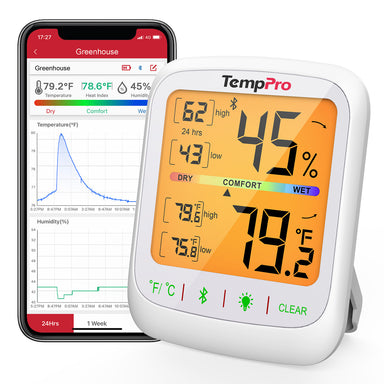
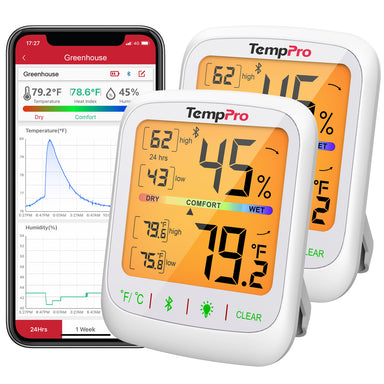
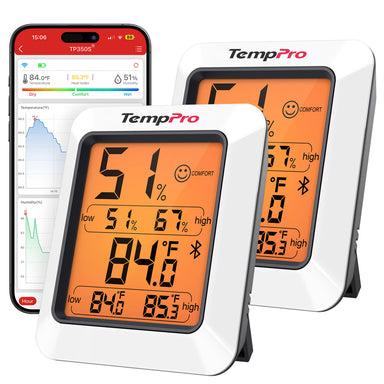
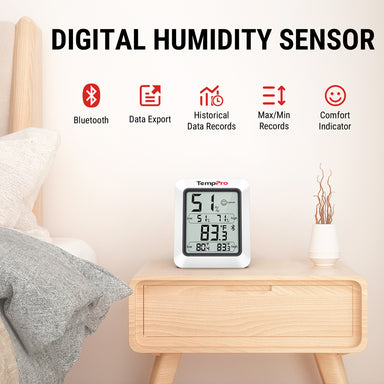
Keeping indoor humidity between 30% and 50% limits dust mite and mold growth. Using a reliable digital hygrometer, like the TP358 Bluetooth Indoor Thermometer Hygrometer, allows you to monitor humidity levels in real time. The TP358 connects via Bluetooth to your smartphone, giving you easy access to temperature and humidity data anywhere in your home. By maintaining the correct humidity, you can help reduce pollen allergy symptoms and prevent mold from worsening springtime allergy symptoms.

Use HEPA Air Filters
Air purifiers with HEPA filters remove airborne pollen, dust, and other allergens. Place these purifiers in bedrooms and living areas where you spend the most time. This simple step significantly improves indoor comfort during spring allergy season.
Clean Regularly
Dust and vacuum frequently, focusing on carpets, rugs, and curtains that trap pollen. Wash bedding weekly in hot water to eliminate dust mites. Regular cleaning is essential to managing springtime allergies effectively.
Keep Windows Closed During High Pollen Days
Although spring invites fresh air, open windows can allow pollen to enter. Check pollen forecasts and keep windows and doors closed during peak pollen times. Using the TempPro TP358, you can monitor indoor humidity and temperature to ensure your home remains comfortable even with windows closed.
Control Temperature
Dust mites and mold thrive in warm, humid conditions. Using an indoor thermometer, you can maintain moderate indoor temperatures (65–72°F) that limit allergen growth. The TP358 measures both temperature and humidity, making it easier to balance indoor climate for maximum spring allergy relief.
Reduce Indoor Triggers
- Limit carpets or choose washable rugs.
- Remove clutter where dust can accumulate.
- Avoid indoor smoking, which irritates nasal passages.
By combining these strategies with accurate monitoring from a hygrometer, you can effectively reduce pollen allergy symptoms and enjoy a healthier, more comfortable home.
Additional Tips for Managing Spring Allergies
- Shower and Change Clothes After Being Outdoors: Pollen sticks to skin and clothing, so cleaning up reduces exposure indoors.
- Use Nasal Rinses: Saline sprays or neti pots help flush pollen from nasal passages.
- Plan Outdoor Activities Wisely: Morning hours often have higher pollen counts; afternoons may be safer.
- Stay Hydrated: Drinking water helps keep nasal passages moist and can reduce irritation from springtime allergy symptoms.

Why the TempPro TP358 is Perfect for Beginners
The TempPro TP358 Bluetooth Indoor Thermometer Hygrometer is designed for users of all experience levels. Here's why it stands out:
- 260ft Bluetooth Connectivity: Monitor temperature and humidity from your smartphone without constantly checking the device.
- Accurate Readings: Provides precise temperature and humidity measurements to help manage allergens.
- Simple Interface: Clear digital display makes it easy for beginners to understand indoor conditions.
- Alerts and Logs: Set custom alerts if humidity goes above or below ideal levels, ensuring you never miss a spike that could worsen springtime allergy symptoms.
- Compact and Stylish: Fits anywhere in your home without cluttering space.
By using the TP358, you can create an indoor environment that discourages dust mites and mold while improving overall comfort. Monitoring your home’s indoor climate is one of the most practical steps for spring allergy relief.
Final Thoughts
Spring is a beautiful season, but spring allergies can turn it into a challenge. Monitoring and controlling your indoor environment with tools like the TP358 Bluetooth Indoor Thermometer Hygrometer is a simple, effective way to reduce allergen exposure. By maintaining proper humidity, keeping your home clean, and taking additional precautions, you can significantly minimize springtime allergy symptoms and enjoy a comfortable, healthy home during spring allergy season.
Remember, small changes in your indoor climate can make a big difference in your comfort and overall well-being. Combining monitoring, cleaning, and smart lifestyle adjustments provides the most reliable spring allergy relief.


Comments
You May Also Like


Recommended Products