Ultimate Guide to Sourdough Bulk Fermentation


 288 Comments


Achieving the perfect sourdough loaf requires more than just flour, water, and patience. Many bakers struggle with inconsistent results due to improper fermentation management. One of the most overlooked yet critical factors is dough temperature. Controlling temperature ensures predictable fermentation, ideal texture, and flavorful bread. In this guide, we’ll cover everything you need to master bulk fermentation and introduce tools that make temperature monitoring simple and effective.
What is Bulk Fermentation?
Bulk fermentation is the initial resting phase after mixing your dough, during which yeast activity produces gases, flavors, and structure. This phase is critical for achieving an open crumb and developing complex sourdough flavors. Skipping or rushing bulk fermentation often results in dense, flat loaves with minimal flavor.

Why Dough Temperature Matters
The rate of fermentation is highly sensitive to temperature. Too cold, and yeast activity slows, extending fermentation times. Too warm, and yeast may over-ferment the dough, producing overly sour or structurally weak loaves. Maintaining an optimal temperature range ensures consistent rise, proper gluten development, and balanced flavor.
Monitoring Dough Temperature
Accurately measuring dough temperature allows bakers to control fermentation precisely. Ideal bulk fermentation temperatures generally range between 74–76°F (23–24°C) for a balanced rise and flavor. Temperature can be monitored using:
- Checking ambient room conditions
- Using water temperature adjustments in your dough mix
- Measuring the dough directly with a thermometer
Tools to Monitor Dough Temperature
Using the right thermometer ensures precision and consistent results. Here are some options:
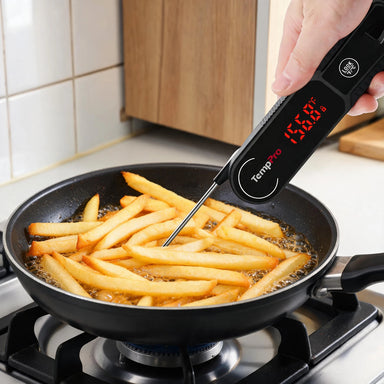
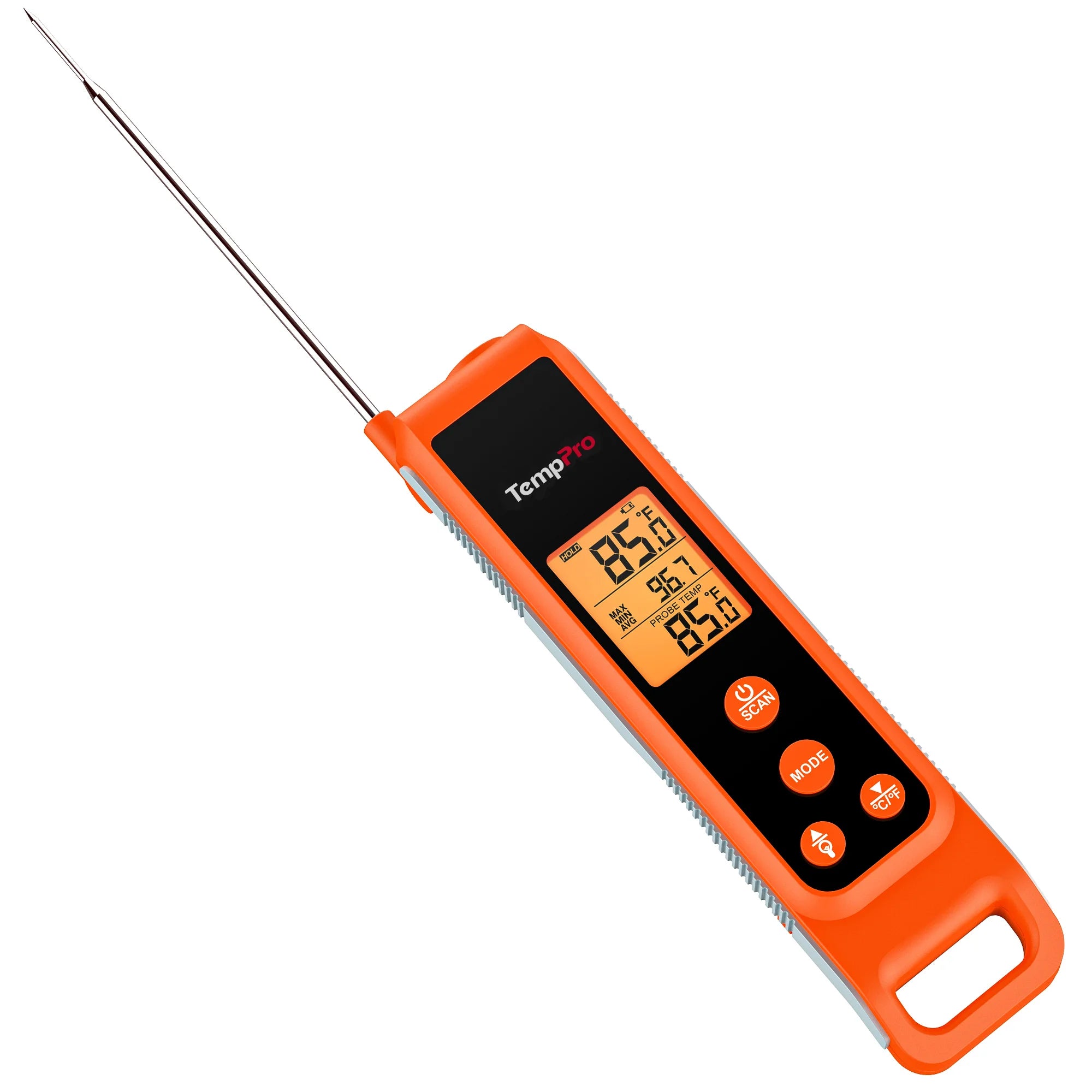
- Instant-read thermometers: Quickly measure internal dough temperature for precise control.
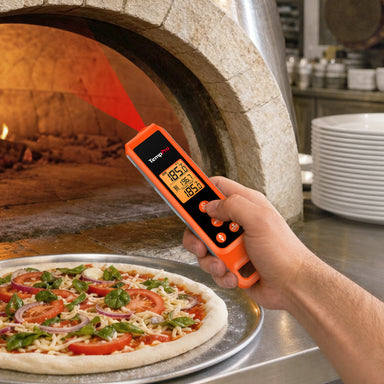
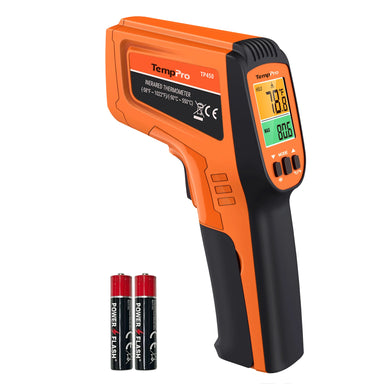
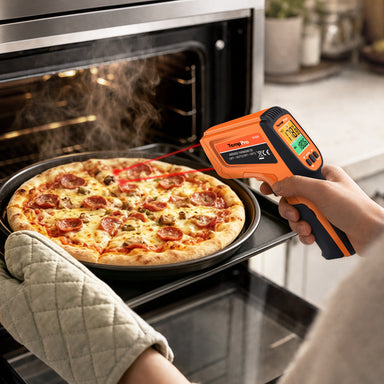
- Infrared thermometers: Measure surface temperature of dough or containers without contact, ideal for sticky or delicate dough.
- Bluetooth thermometers: Track temperature trends over time, perfect for long or variable fermentation schedules.
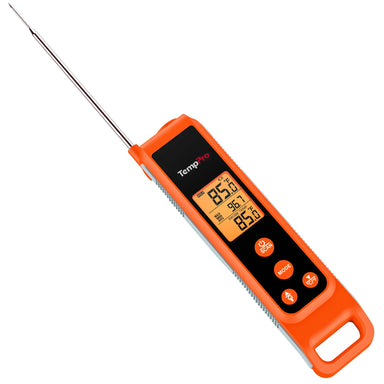
- 2-in-1 thermometers (TP420): Combines instant-read and infrared functions in one device for maximum versatility and convenience.
We recommend the TP420 as a multifunctional, cost-effective solution that meets all your sourdough temperature monitoring needs.

Tips & FAQs for Successful Bulk Fermentation
Why is bulk fermentation important?
Bulk fermentation allows your dough to develop gas, gluten strength, and flavor. It’s the phase where your sourdough truly comes alive. Skipping it often leads to dense, bland bread.
Bulk fermentation vs. proofing: What's the difference?
Bulk fermentation occurs after mixing and initial stretches/folds, before shaping. Proofing happens after shaping and is the final rest before baking. Think of bulk as the main fermentation event and proofing as the finishing touch.
Optimal bulk fermentation temperature
Generally, 74–76°F (23–24°C) works well for balanced fermentation. Cooler temperatures slow fermentation and increase sourness, while warmer temperatures speed it up for sweeter loaves. Some bakers even refrigerate dough for several days for extended flavor development.
What container should I use?
Use any container large enough to allow the dough to double or triple in size. Bowls, buckets, or proofing baskets are common. Always cover the dough with a damp towel or plastic wrap to prevent drying.
Should I perform stretches and folds during bulk?
Optional but recommended. Stretches and folds during the first 1–4 hours strengthen gluten, improve dough structure, and allow you to monitor progress.
How do I know when bulk fermentation is done?
Look for dough that has expanded, developed elasticity, and shows air bubbles. Bulk fermentation isn’t just about timing—it’s about observing texture, rise, and dough feel. Getting it right ensures well-aerated, flavorful loaves.
With practice and careful monitoring, mastering bulk fermentation becomes intuitive. Observing dough behavior, controlling temperature, and using precise thermometers all contribute to consistently excellent sourdough.


Comments



Recommended Products