How to Increase Air Quality in Your Home! 15 Helpful Ways


 288 Comments


As winter slowly transitions into early spring, many families start thinking about cleaning, refreshing, and improving the comfort of their homes. One of the most important, yet often overlooked, aspects of a healthy home is air quality in your home. With windows closed during colder months and heating systems running daily, indoor air can become more polluted than outdoor air.
If you want to increase indoor air quality and create a safer, more comfortable environment for your family and children, you need a practical and comprehensive approach. Below is a complete guide explaining how to improve air quality in home effectively, with proven methods that truly make a difference.
Why Indoor Air Quality Matters
Many people understand that polluted outdoor air can harm their health, but fewer realize that the air inside their homes can be just as dangerous, sometimes even more so. Research from the U.S. Environmental Protection Agency shows that certain pollutants are often found two to five times greater than outside. and in extreme situations, they can be over 100 times higher. This is especially concerning because most individuals spend roughly 90% of their time inside homes, schools, and workplaces, increasing their overall exposure to indoor contaminants. Dust, pet dander, cooking fumes, mold spores, volatile organic compounds (VOCs), and excess humidity all contribute to poor air conditions.
Poor indoor air can trigger allergies, asthma, headaches, dry skin, fatigue, and long-term respiratory issues, especially in children. That is why proper control of indoor air quality should be a priority in every household.

15 Ways to Improve Air Quality in Your Home
Below is a clear guide on ways to improve air quality in home environments. Let's get throught it.
Monitor Indoor Humidity and Temperature Before You Act
You cannot fix what you don't measure. Before you start dusting and buying gadgets, you need to understand the current state of your home. The two most critical factors in improving room air quality are temperature and relative humidity.
Why Humidity Matters: Air that is too dry (below 30% humidity) can cause dry skin, scratchy throats, and static shock, and it can even make you more susceptible to colds. Air that is too humid (above 50-60%) promotes the growth of dust mites, mold, and mildew.
Improving humidity in home environments helps:
- Reduce mold and mildew growth
- Prevent dust mites from thriving
- Improve breathing comfort
- Protect wood furniture and flooring
Why Temperature Matters: Temperature affects how we perceive air freshness and how pollutants disperse.
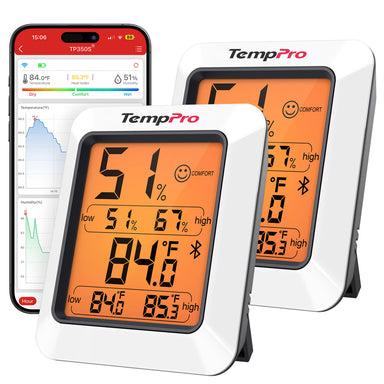
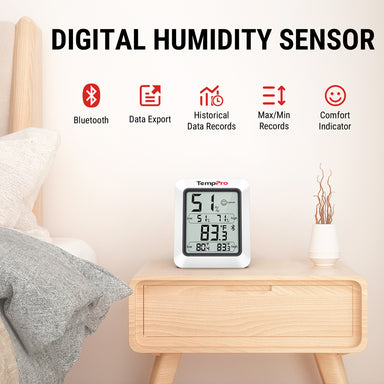
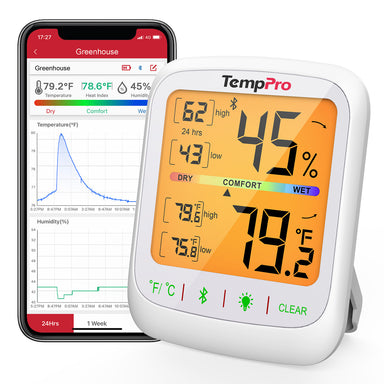
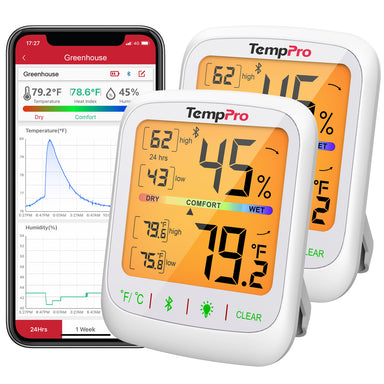
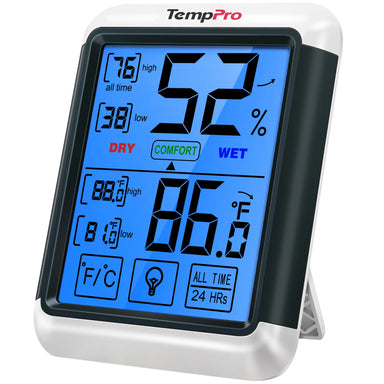
To effectively improve indoor air quality in a room, you need a reliable way to track these metrics. This is where the TP358 Bluetooth Indoor Thermometer Hygrometer becomes extremely useful. It's designed specifically to monitor temperature and humidity in real time.
Key features include:
- High-precision sensors: ensure accurate temperature and humidity readings
- Bluetooth connectivity: allow you to monitor conditions from up to 260-ft away through a smartphone app
- Comfort level indicators: help you quickly see whether conditions are too dry, too humid, or ideal
- Historical Data Tracking: You can look at the humidity graph to see exactly how dry the house got last night while the heater was running, or track how long it takes for humidity to drop after showering. This helps you pinpoint problems and verify that your solutions are working.
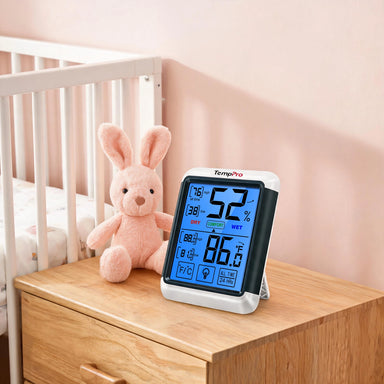
- Large, Clear Display: The device itself features a big LCD screen with large digits and backlight, making it easy to read from across the room or during a nighttime check-in.

By using this device, you can take immediate action when humidity rises above 50% (using a dehumidifier) or drops below 30% (using a humidifier). This type of active monitoring is one of the most effective ways to improve air quality in home settings.
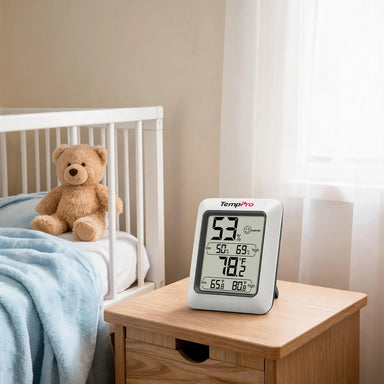
If you're wondering how to improve air quality in room environments like bedrooms or nurseries, placing a TP358 in each key space gives you reliable data to make informed adjustments.
Why TP358 is a good fit for families:
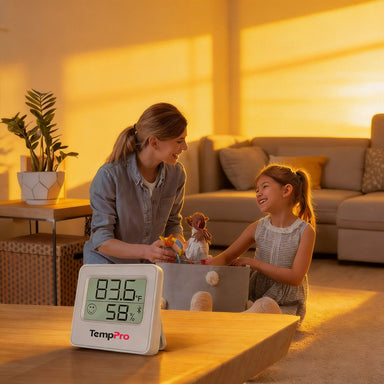
For families trying to improve air quality in home environments for kids or older relatives, the TP358 offers:
- A quick way to check if a child's bedroom is too dry for comfortable sleep
- Clear numbers you can share with a pediatrician or healthcare provider
- Guidance for adjusting humidifiers and heaters without guesswork
Instead of wondering whether your home needs "better air", you can see the data and take specific action.
Let in fresh air when you can
One of the easiest ways to improve indoor air quality is to bring in outdoor air when conditions are good. On milder days:
- Open windows on opposite sides of the house for 10-15 minutes to create a cross-breeze.
- Use bathroom and kitchen exhaust fans to pull out moisture and odors when showering or cooking.
- Short, strong bursts of ventilation can improve air quality in a room without losing too much heat.
Keep dust and allergens under control
Dust and dander build up quickly, especially in bedrooms and living areas. To improve room air quality:
- Vacuum carpets and rugs with a vacuum that has a HEPA filter.
- Dust surfaces with a damp cloth so particles are picked up instead of blown around.
- Wash bedding weekly in hot water to reduce dust mites and allergens.
- Remove shoes at the door
- Switching to low-VOC cleaning products
- Avoiding synthetic air fresheners
- Removing shoes at the door
- Vacuuming with a HEPA vacuum
These are simple ways to improve indoor air quality that also help people with allergies breathe more easily.
Be careful with chemicals and fragrances
Many households use air fresheners, scented candles, and strong cleaners every day. These can release volatile organic compounds (VOCs) into the air.
To improve air quality in home spaces:
- Choose fragrance‑free or low-VOC cleaners when possible.
- Use strong chemicals (paint, solvents) in well‑ventilated areas and keep kids away until odors fade.
- Go easy on sprays and plug‑in fragrances, especially in small rooms.
A "clean" smell isn't always the same as clean, healthy air.
Upgrade air filters and change them regularly
Your home's heating and cooling system can be a powerful tool to improve indoor air if the filters are doing their job.
- Use high-quality filters with a MERV rating appropriate for your system (your HVAC company can advise you).
- Change filters as often as the manufacturer suggests, more often if you have pets or allergies.
Good filtration helps remove fine particles that would otherwise circulate through the house.
Consider portable air purifiers for key rooms
If someone in your home has asthma or strong allergies, or if you live in an area with smoke or heavy pollution, a portable air purifier can improve air quality in a room where that person spends the most time (often the bedroom).
Look for:
- A HEPA filter (captures small particles like pollen and pet dander).
- A size rating that matches the room's square footage.
This is one of the more targeted ways to improve air quality in home without upgrading the entire HVAC system.
Prevent Mold and Moisture Problems
Moisture control is essential for the control of indoor air quality. Check for leaks under sinks, in basements, and around windows. If humidity regularly exceeds 50%, use a dehumidifier. Again, a device like the TP358 helps you detect these changes immediately instead of guessing. Knowing the exact humidity level is key when improving humidity in home conditions safely and effectively.

Always Use the Ventilation Fan
Cooking, especially on gas stoves, releases nitrogen dioxide and fine particles. Make it a habit to turn it on every time you cook and let it run for 10-15 minutes after to clear residual smoke and odors .
Go Fragrance-Free
It might be tempting to burn scented candles or use plug-in air fresheners to make the house smell like "spring," but these often release volatile organic compounds (VOCs). As medical experts point out, truly "clean air is fragrance free" . Avoid incense and scented candles to reduce unnecessary chemical load.
Use Plants to Improve Indoor Air
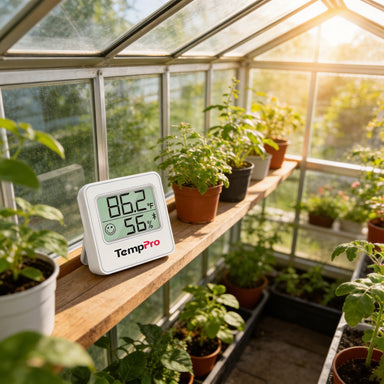
Nature provides us with beautiful tools to help balance our indoor climate. While plants shouldn't replace a mechanical air cleaner, they are excellent allies in improving humidity in home.
Plants release moisture vapor through their leaves in a process called transpiration. This gently increases humidity in dry homes. Conversely, in damp spaces, they can help absorb excess moisture through their leaves and roots .
The Best Plants for Improving Air Quality in Room
- Peace Lily: This elegant plant is a powerhouse. It absorbs excess moisture and is known to help reduce mold spores in high-humidity environments like bathrooms .
- Boston Fern: With lush, feathery fronds, the Boston Fern loves humidity and is perfect for a steamy bathroom. It helps add moisture to the air while thriving in the damp conditions .
- Spider Plant: A champion for beginners, the spider plant is excellent at balancing indoor air. It tolerates low light and helps reduce pollutants like formaldehyde.
- English Ivy: Studies have shown English ivy can remove airborne mold spores . It's ideal for basements or other areas prone to dampness.
Avoid overwatering your plants, as soggy soil can encourage mold growth, which defeats the purpose.

Groom Pets Regularly
Pets bring warmth and joy to a home, but they can also affect air quality in your home if their dander, fur, and odors are not properly managed. If you want to improve air quality in home environments while keeping your furry family members, regular grooming is essential. Brushing pets several times a week, ideally outdoors, helps reduce loose hair and dander before it spreads through your living space. Bathing pets as recommended by your veterinarian can also minimize allergens.
Regular HVAC Maintenance
Your HVAC system plays a central role in maintaining healthy air quality in your home, yet it is often overlooked until something goes wrong. Heating and cooling systems continuously circulate air throughout your living space. If the system is not properly maintained, dust, pollen, mold spores, and other airborne particles can build up inside ducts and filters, reducing efficiency and negatively impacting indoor air.
Scheduling regular HVAC maintenance is one of the most effective ways to improve indoor air quality and ensure consistent airflow. Professional inspections help identify clogged filters, dirty coils, leaking ducts, or moisture buildup that may contribute to mold growth. Replacing air filters every one to three months, depending on usage and household conditions is especially important for families with children, pets, or allergy sufferers. Clean filters trap fine particles before they recirculate, helping to improve air quality in home environments.
Routine servicing also ensures that your system maintains proper humidity balance, which is essential for overall comfort and health. When your HVAC system runs efficiently, it supports better ventilation and filtration, two key factors in the control of indoor air quality. By investing in preventative maintenance, homeowners can improve indoor air, extend equipment lifespan, and create a cleaner, safer space for their families year-round.
Keep Pollutants Outside
One of the simplest yet most effective ways to protect air quality in your home is to stop pollutants before they enter. Outdoor contaminants such as dust, vehicle exhaust particles, pollen, lawn chemicals, and dirt can easily be tracked indoors through shoes, clothing, and even pets. Once inside, these pollutants settle into carpets, furniture, and air ducts, making it harder to improve indoor air quality.
Creating a "no-shoes" policy at the entrance is a powerful first step to improve air quality in home environments. Placing durable doormats both outside and inside entryways helps trap dirt before it spreads. During high-pollen seasons, keeping windows closed during peak hours and changing clothes after spending time outdoors can further reduce allergen buildup. For families with pets, wiping paws before coming inside is another practical habit that helps improve room air quality.
Sealing gaps around doors and windows also prevents outdoor pollution and moisture from entering your living space. By focusing on prevention and keeping contaminants outside, homeowners can significantly increase indoor air quality and create a healthier, more comfortable environment for their families.
Don't Smoke Indoors
Avoiding indoor smoking is one of the most important steps you can take to protect air quality in your home. Tobacco smoke contains thousands of harmful chemicals, including fine particles and toxic gases that linger in the air long after a cigarette has been extinguished. These pollutants settle into carpets, curtains, furniture, and even walls, making it extremely difficult to improve indoor air quality once contamination occurs.
Secondhand smoke poses serious health risks, especially for children, pregnant women, and individuals with asthma or respiratory conditions. Even opening windows or using fans does not fully remove smoke particles from indoor spaces. To truly improve air quality in home environments, smoking should always be done outside and away from doors and windows to prevent smoke from drifting back inside.
Establishing a strict no-smoking policy indoors not only helps improve room air quality but also reduces long-term odor buildup and surface contamination. By eliminating indoor smoking, families can significantly increase indoor air quality and create a cleaner, safer living environment for everyone in the household.
Creating a Healthier Home Environment
If you truly want to increase indoor air quality, consistency matters more than any single solution. Monitoring temperature and humidity, maintaining ventilation, using quality filters, and reducing pollutants and more all work together.
Understanding how to improve air quality in room spaces starts with measurement. You cannot manage what you do not measure. That's why a smart monitoring tool like the TP358 Bluetooth Indoor Thermometer Hygrometer is a practical investment for families who care about improving indoor air and creating a healthier environment for children.
When you combine humidity control, ventilation, filtration, and smart monitoring, you build long-term protection for your home.
Final Thoughts
Improving air quality in your home is not complicated, but it requires awareness and proactive habits. Whether you are looking for ways to improve indoor air quality this year or planning ahead for allergy season in spring, starting with humidity control and proper monitoring makes a measurable difference.
With TP358 Bluetooth Indoor Thermometer Hygrometer and informed strategies, you can improve air quality in home environments and provide your family with the comfort and protection they deserve.


Comments
You May Also Like


Recommended Products