8 Tips to Reduce Allergies in Winter


 288 Comments


When people think of allergies, spring pollen and summer grass often come to mind. However, for some people, winter allergies are just as real and sometimes even more frustrating. If you find yourself sneezing, congested, or dealing with itchy eyes during the colder months, you're not alone. Allergies during winter are common, especially as we spend more time indoors with closed windows, heating systems running, and reduced ventilation.
Understanding why allergies happen in winter, recognizing the symptoms of allergies in winter, and learning how to manage your indoor environment can make a noticeable difference in how you feel day to day. This guide breaks down the causes, common symptoms, and practical strategies for managing winter allergies, with a special focus on indoor air quality and humidity control.
Why Do Allergies Happen in Winter?
Unlike spring and fall allergies, which are often triggered by outdoor pollen, seasonal allergies in winter are usually driven by indoor factors. Cold weather pushes people indoors, where allergens can build up and circulate more easily.
One major reason for allergies with cold weather is the use of heating systems. Furnaces and space heaters can dry out indoor air, irritating nasal passages and airways. At the same time, heating systems can circulate dust mites, pet dander, and mold spores throughout the home.
Another factor is reduced ventilation. During winter, windows and doors stay closed to keep heat in, trapping allergens inside. Over time, this creates an environment where indoor allergies in winter can become persistent and difficult to escape.
What Are the Common Winter Allergy Symptoms?
Because winter allergies often overlap with colds or flu, many people don't realize their symptoms are allergy-related. Recognizing winter allergy symptoms is the first step toward effective relief.
Typical symptoms of allergies in winter include nasal congestion, sneezing, runny nose, itchy or watery eyes, postnasal drip, and sinus pressure. Some people also experience dry throat, coughing, or headaches caused by irritated airways.
Unlike cold weather allergy symptoms tend to last for weeks or even months and do not usually come with fever or body aches. If your symptoms worsen indoors and improve when you're outside or away from home, that's often a strong indicator of allergy in winter season rather than an infection.
How to Reduce Indoor Allergens in Winter
To effectively manage winter allergies, it's important to understand what's triggering them indoors.
Dust mites are one of the most common culprits. They thrive in warm, dry environments and live in bedding, carpets, upholstered furniture, and curtains. During winter, homes often provide ideal conditions for dust mite growth.
Pet dander is another major trigger. Because pets spend more time indoors during cold weather, allergens from fur and skin flakes can build up quickly.
Mold can also be a hidden problem. While outdoor mold decreases in winter, indoor mold can grow in damp areas such as bathrooms, basements, and kitchens, especially if humidity levels aren't properly controlled.
Control Indoor Humidity to Reduce Allergens
One of the most effective yet overlooked strategies for managing winter allergies is controlling indoor humidity. Both overly dry and overly humid air can worsen allergy symptoms.
Dry air can irritate nasal passages, making them more sensitive to allergens. On the other hand, excess humidity encourages mold growth and dust mites. For most homes, the ideal indoor humidity range during winter is 30–50%.
To maintain this balance, monitoring your home's temperature and humidity is essential. Guessing isn't reliable, especially when heating systems are constantly changing indoor conditions.
Use a Hygrometer Thermometer to Monitor Indoor Humidity & Temperature
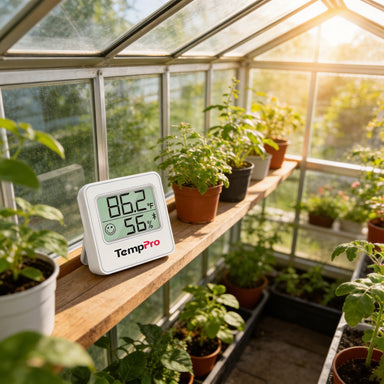
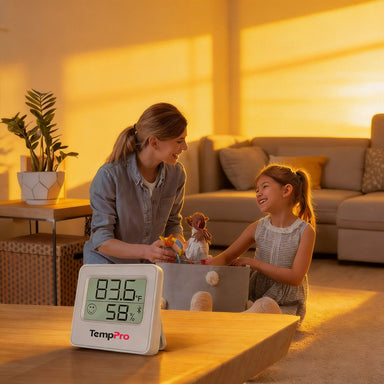
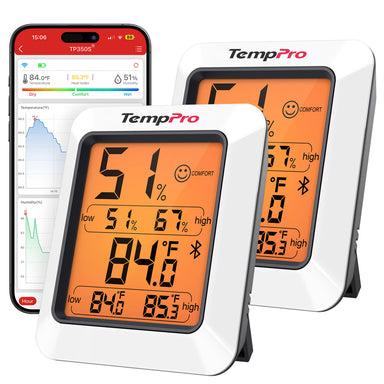
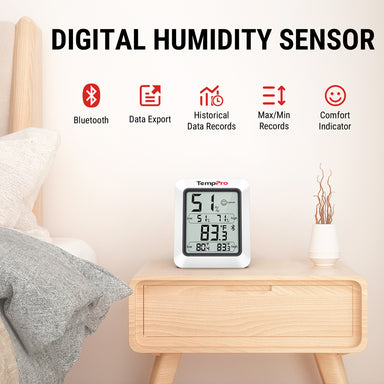
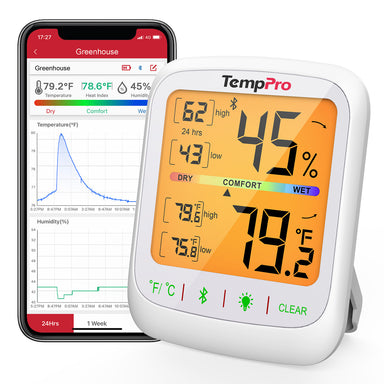
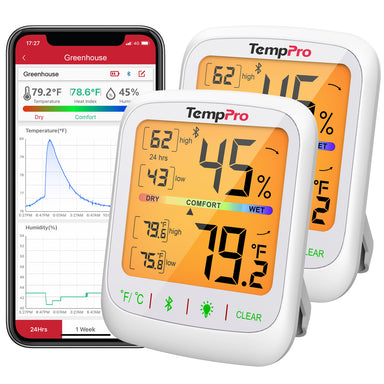
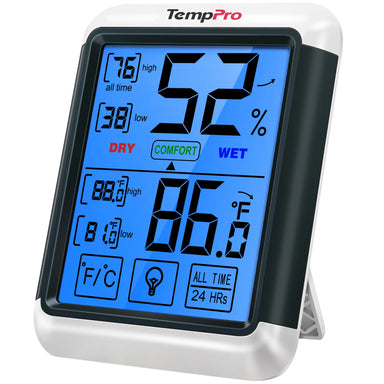
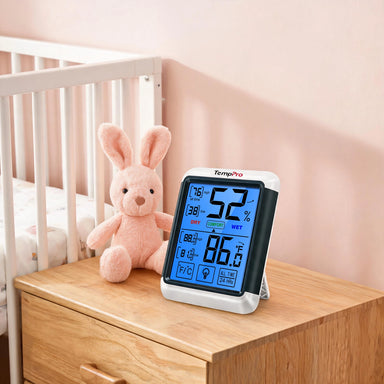
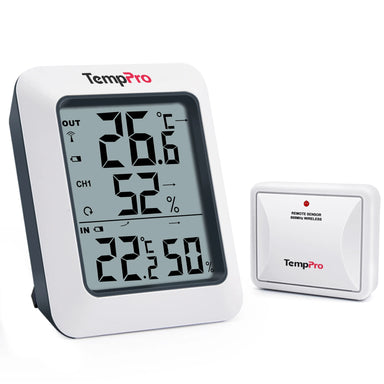
Using a reliable indoor thermometer hygrometer allows you to track changes in real time and adjust your environment before symptoms worsen. The TempPro TP358 Bluetooth Indoor Thermometer Hygrometer is especially useful for allergy management in winter.
This device accurately measures both temperature and humidity and sends real-time readings directly to your smartphone via Bluetooth. Instead of manually checking multiple rooms or relying on how the air "feels," you can instantly see whether your home is too dry or too humid.

With the TempPro TP358, you can:
- Monitor indoor temperature and humidity from up to 260-ft away on your smartphone.
- Professional humidity sensor ensures an accuracy of up to ±0.9℉ and ±2% RH; a 10-sec refresh rate updates you on any environmental changes
- Smart App Notifications: Receive an alert when temperature and humidity conditions exceed your preset levels
- Track trends during hour/day/year and export indoor temperature and humidity records for up to 2 year
- Monitor indoor temperature and humidity readings, and know when to turn on a humidifier or dehumidifier
- Maintain consistent ideal conditions that reduce indoor allergies in winter
By keeping humidity within a healthy range, you reduce dust mite activity, discourage mold growth, and prevent airway irritation, making this small device a powerful tool for winter allergy prevention.
Improve Indoor Air Circulation and Filtration
Since allergies during winter are largely driven by indoor air, improving air circulation is critical. While opening windows may not be practical in freezing temperatures, there are other effective options.
Using high-quality HVAC filters rated for allergens can significantly reduce airborne particles. Filters should be checked monthly during winter and replaced as needed, especially if you have pets or allergies.
Portable air purifiers with HEPA filters are another helpful addition, particularly in bedrooms and living areas where you spend the most time. Cleaner air reduces exposure to common winter allergens and helps ease winter allergy symptoms.
Keep Bedding and Soft Surfaces Allergy-Friendly
Bedding is a major hotspot for allergens, especially dust mites. Washing sheets, pillowcases, and blankets weekly in hot water helps reduce allergen buildup.
Using allergen-proof mattress and pillow covers can further limit exposure. These covers create a barrier that prevents dust mites from settling into fabrics.
Curtains, rugs, and upholstered furniture can also trap allergens. Vacuuming regularly with a HEPA-filter vacuum and minimizing clutter can make a noticeable difference in managing winter allergies.
Groom Pets Regularly and Create Pet-Free Zones
We love our furry friends,Bathe and brush your pets more frequently to reduce loose dander. Ideally, keep them out of the bedroom to create at least one allergy-safe sanctuary for sleeping.
Be Mindful of Heating Methods
Different heating systems affect indoor air quality in different ways. Forced-air systems can circulate allergens, while space heaters often dry out the air even faster.
If your home relies heavily on heating, pairing it with humidity monitoring is especially important. Tracking changes using a device like the TempPro TP358 Bluetooth Indoor Thermometer Hygrometer allows you to adjust your humidifier settings accurately, rather than overcorrecting and creating new allergy triggers.

Balanced heating and humidity help stabilize indoor conditions, which is key for reducing allergies with cold weather.
Reduce Mold-Prone Areas
Bathrooms, kitchens, and basements are common sources of mold during winter. Using exhaust fans, fixing leaks promptly, and keeping humidity under control are essential preventive steps.
Monitoring humidity levels in these areas helps you spot problems early. If levels consistently rise above 50%, mold growth becomes more likely, increasing the risk of seasonal allergies in winter.
Support Your Body During Allergy Season
While environmental control is crucial, supporting your immune system also matters. Staying hydrated helps keep nasal passages moist, reducing irritation from dry air.
Saline nasal rinses can help flush out allergens and soothe inflamed sinuses. For those with persistent symptoms, over-the-counter allergy medications may provide relief, but they work best when combined with proper indoor air management.
Final Thoughts: Take Control of Winter Allergies
Winter doesn't have to mean months of discomfort. By understanding the causes of allergy in winter season and taking proactive steps to manage your indoor environment, you can significantly reduce symptoms and improve daily comfort.
Controlling indoor humidity is one of the most impactful changes you can make. With tools like the TempPro TP358 Bluetooth Indoor Thermometer Hygrometer, managing temperature and humidity becomes simple, precise, and convenient, helping you create a healthier home environment that supports better breathing, sleep, and overall well-being.
When it comes to managing winter allergies, small adjustments add up. With the right knowledge and the right tools, you can enjoy winter without constantly fighting allergy symptoms.


Comments

Recommended Products