7 Steps to Turn a Giant steak Into Bistecca alla Fiorentina


 288 Comments


The approach to making Bistecca alla Fiorentina is straightforward. To begin, take a huge piece of beef, in many cases, a large T-bone, place it near extreme heat, Cook it until it is sliced and served. However, there is no room for error. The beauty of a great Bistecca lies in the dramatic difference between the darkly charred outer crust and the Juicy inner core.
Therefore, you cannot rely solely on the length of time the steak will be cooked. You have to understand if your cooking surface is actually hot enough, and what is going on inside the meat.
Table of Contents
7 Essential Steps to Cook Bistecca alla Fiorentina
Below are the eight easy steps to transform a massive piece of beef into Bistecca alla Fiorentina.
Step 1: obtain an extremely thick piece of beef
A Bistecca alla Fiorentina is anything but an average weeknight steak. In fact, the traditional Italian dish originated in Tuscany, specifically in Florence, and features a very large, bone-in piece of beef. This thickness allows the outer layer of the steak to experience extremely high temperatures, while the interior continues to warm up at a much slower rate.
Using this method with a thin steak, you could easily overcook the interior long before achieving the level of browning on the exterior you desire. Moreover, make sure the meat you choose has ample marbling. These streaks of fat add flavor and contribute to the rich texture associated with this type of steak preparation. Lastly, do not be afraid of the size. The sheer dimensions are part of what creates the majesty of a Bistecca.
Step 2: use minimal preparation techniques
There will be little room for experimentation with the marinades and sauces found in other preparations. The essence of Bistecca alla Fiorentina relies heavily upon the quality of the beef and its ability to be intensely grilled.
Prior to placing it on the grill, thoroughly pat the steak dry. Any excess moisture on the surface will hinder your ability to achieve the deep browning you are seeking.
While some variations exist regarding the specific seasonings used in preparation of Bistecca, the idea remains to keep things simple. Salt, pepper and olive oil can provide all you need once you have achieved your final product. As stated earlier, your primary focus is not creating layers of sauce, rather, it is managing heat.

Step 3: achieve extreme heat prior to placing steak on grill
Many people commit a fundamental error prior to even applying their steak to a cooking surface: they fail to ensure that their cooking surface is adequately heated. Ultimately, you want your steak to meet extreme heat immediately. This brief moment of contact is key to establishing the darkly charred exterior that is visually appealing about a large Bistecca.
Turning your grill up to 'high' does not guarantee that the surface temperature is adequate for searing your steak. Various types of grills react differently. Similarly, cast iron griddles and other cooking surfaces require time to come up to heat. Instead of simply assuming that your cooking surface is adequate for searing your Steak, test it.
Step 4: test your cooking surface temp using an infrared thermometer
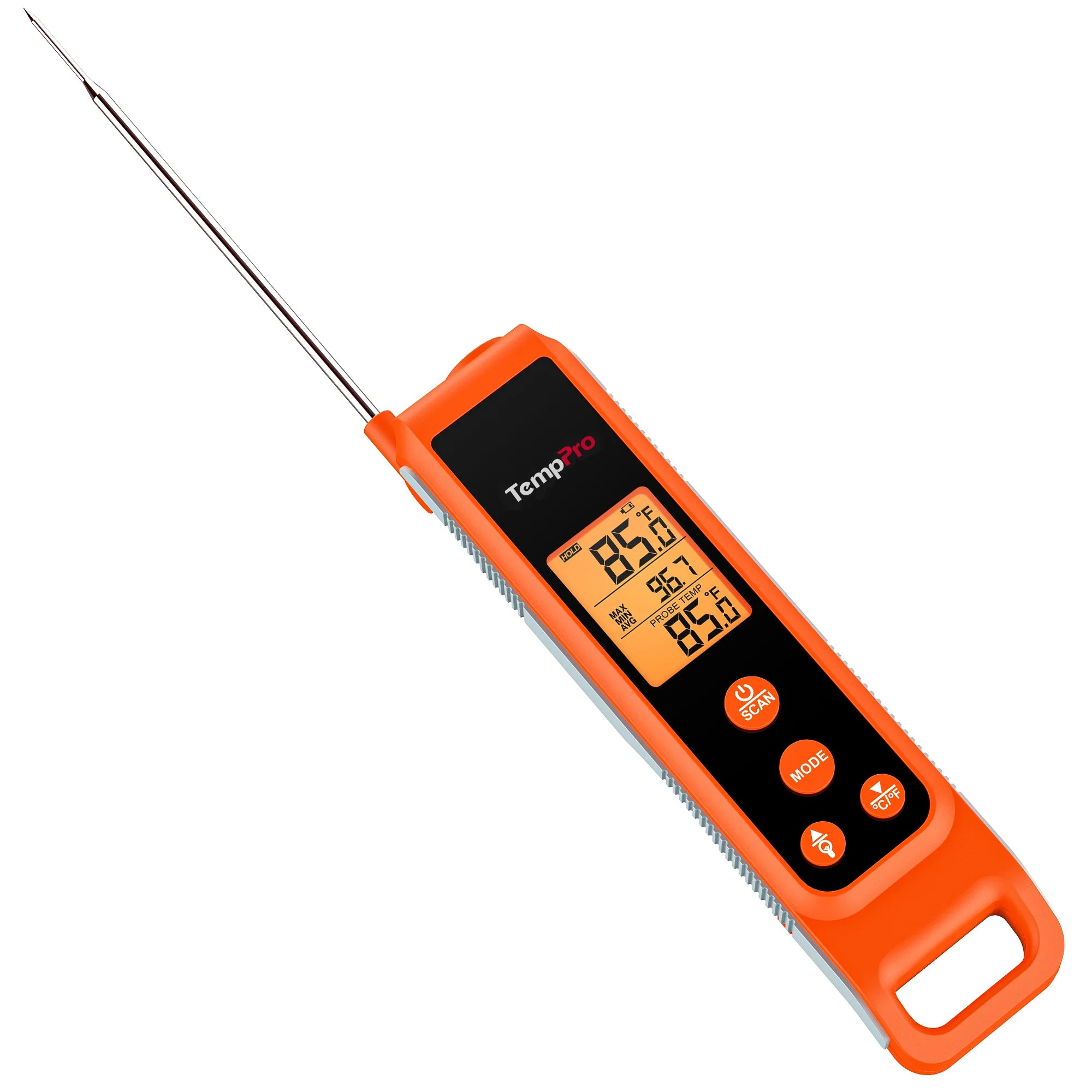
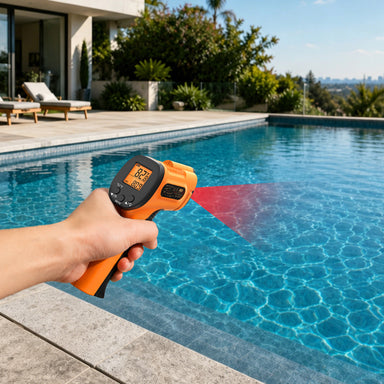
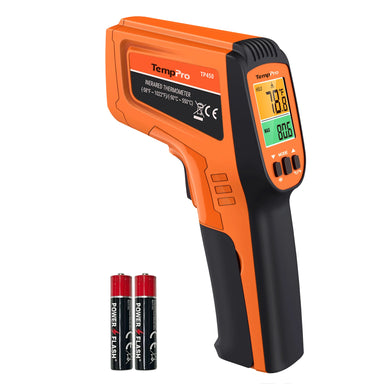
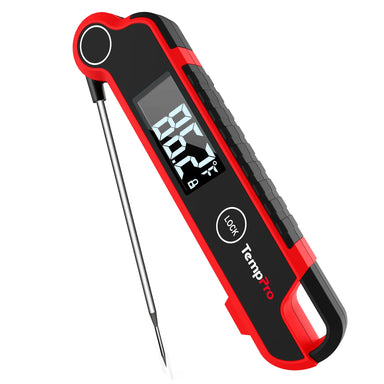
The TempPro TempScan PLUS 2-in-1 Infrared & Instant-Read Thermometer is particularly beneficial in preparation of Bistecca alla Fiorentina due to its ability to check both the food internal temperature and surface temperature.
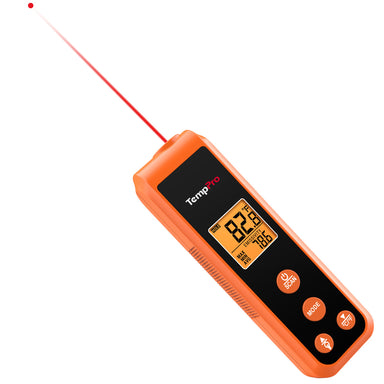
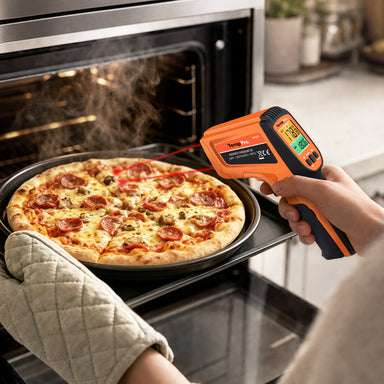
Utilizing its non-contact infrared sensor with a 12:1 distance-to-spot ratio and adjustable emissivity, you can test for extreme surface temperatures without risking injury from excessive heat. Position the infrared sensor directly towards your intended placement zone for the steak and obtain a reading before cooking. This method can be applied to various cooking surfaces including griddles, pans, pizza stones etc... which become extremely hot.
Given that heating isn’t merely an exercise in timing in terms of cooking a thick piece of beef, you want to know what’s occurring at your cooking surface.

Step 5: sear steak until a crust forms
Once you have confirmed that your surface has been brought to an acceptable temperature, proceed with adding your steak. Resist the temptation to constantly monitor or adjust your steak’s position relative to the heat source.
Allow consistent exposure to high levels of heat to produce browning. Due to the significant mass and thickness of the steak, the outer layer experiences extreme heat while the thicker interior cooks at a much slower pace.
Depending on your cooking methodology, you may rotate the steak periodically to allow additional areas of the steak to be exposed to heat sources. Regardless of these factors, do not mistakenly assume that a well-done crust indicates that your steak has reached an acceptable level of internal doneness. Large cuts of beef can present themselves with exceptional coloration externally while maintaining significantly lower internal temperatures than anticipated. Thus, you can use the TempPro TempScan PLUS TP420 to measure the internal temperature of steak.

Step 6: Measure steak temperature
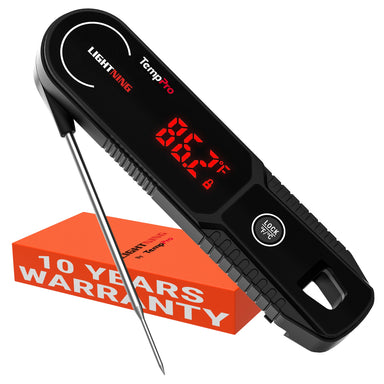
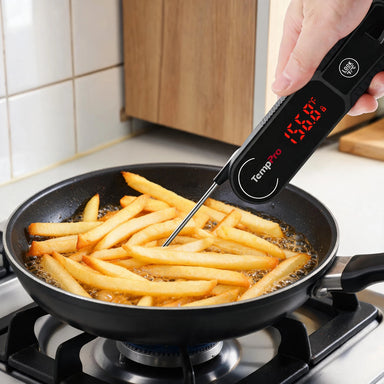
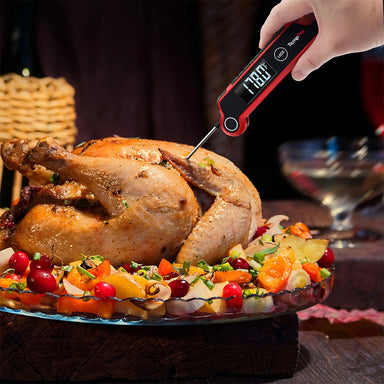
Utilize the TempPro TempScan PLUS TP420's stainless steel meat probe to measure internal temperatures of your steak. Internal temperature measurements provided by the TempPro TempScan PLUS TP420 occur in under 3 seconds with ±1.8°f accuracy.
Insert the meat probe into a portion of the thickest part of the steak and avoid touching bone as much as possible. Since instant feedback eliminates prolonged periods spent away from heat while awaiting a measurement, you'll spend less time away from your steak.
TempPro TempScan PLUS TP420's probe offers internal temperature measurement capabilities ranging from -58°F to 572°F. Additionally, a large backlight enables viewing temperature readings clearly even in low light conditions outdoors.
In addition to understanding the heat emanating from your grill, the infrared sensor evaluates external temperatures while providing instantaneous internal temperature data. Together these two functions enable greater awareness of your overall cooking process than relying strictly on "Cook each side for x amount of minutes."
Step 7: allowing the steak to rest after cooking
Upon completion of cooking and reaching an internal temperature suitable for your specified preparation method, remove your steak from the grill and permit it to rest.
Do not cut open the steak immediately due to a desire for immediate feedback. steaks this thick deserve ample resting time prior to presentation. While it rests, complete any last-minute arrangements for service items (vegetables) etc...
FAQs About Cooking Bistecca alla Fiorentina
Cooking Bistecca alla Fiorentina requires the right cut of beef, high heat, and careful temperature control. From understanding why this traditional Tuscan steak is cut so thick to checking grill surface and internal temperatures, these FAQs cover the essentials for achieving a well-browned crust and a juicy center.
What is Bistecca alla Fiorentina?
Bistecca alla Fiorentina is a traditional italian steak originating in tuscany, specifically florence. It is typically prepared using an extremely thick, bone-in piece of beef cooked over intense heat to create a dark outer crust while maintaining a Juicy interior.
Why does Bistecca alla Fiorentina need to be so thick?
The thickness allows the exterior of the steak to experience extremely high temperatures while the center warms much more slowly. With a thinner steak, the interior can easily overcook before sufficient browning develops on the outside.
Why should you check the grill surface temperature?
Simply setting a grill to "high" does not tell you the actual temperature of the cooking surface. Different grills, pans and griddles heat differently. Measuring grill surface temperature helps determine whether it has reached sufficient heat before placing the steak onto it.
How does the TempScan PLUS TP420 help when cooking Bistecca alla Fiorentina?
This infrared thermometer provides two types of temperature measurements. Its infrared sensor can measure the temperature of the cooking surface, while its stainless steel meat probe can measure the internal temperature of the steak.