Why Is My House So Dry in Winter? Causes and Solutions


 288 Comments


When winter arrives, you might notice that your skin feels tight, your lips get chapped, static electricity becomes more common, or your throat feels dry when you wake up. Even when your home feels warm and cozy, the air may be much drier than you realize.
If you are wondering, "Why is my house so dry in winter?" the answer often comes down to cold outdoor air, indoor heating, and a drop in relative humidity. Fortunately, you can take practical steps to make your home more comfortable without turning up the heat or running a humidifier all day.
In this guide, you'll discover why indoor air gets dry in winter, how low humidity can affect your comfort and belongings, what indoor humidity level to aim for, and how to monitor conditions with a digital thermometer and hygrometer.
Table of Contents
Why Does My House Get So Dry in Winter?
Indoor air can become dry during winter for several reasons. Understanding what causes low humidity is the first step toward finding the right solution.
Indoor Heating Lowers Relative Humidity
One of the biggest reasons homes feel dry in winter is the use of heating systems. Many households rely on central heating, gas furnaces, electric heaters, or heat pumps to stay warm when temperatures drop. Heating the air increases its temperature without necessarily adding moisture. As a result, its relative humidity decreases.
For example, cold outdoor air may enter your home with relatively little moisture. Once your heating system warms that air, the relative humidity can fall significantly, even if the amount of water vapor in the air stays about the same. This is why a house can feel warm but still have dry air. Turning up the thermostat may make you feel warmer, but it won't necessarily solve the humidity problem.
Cold Winter Air Contains Less Moisture
Cold air generally holds less water vapor than warm air at saturation. Even when outdoor relative humidity appears high, cold air can contain relatively little actual moisture. When that air enters your home through ventilation, doors, windows, or small air leaks, it warms up. Its relative humidity then drops unless moisture is added.
This is especially noticeable in colder parts of the United States, including the Midwest, Northeast, and northern mountain states. Homes in drier inland areas may also experience low indoor humidity during winter.
Doors and Windows Stay Closed Longer
During cold weather, people naturally keep their windows and doors closed to retain heat. Although this helps keep homes warm, it also changes how air moves through the house.
If the incoming outdoor air is dry, normal ventilation can gradually lower indoor humidity. Meanwhile, heating systems continue warming the air without adding enough moisture to maintain comfortable relative humidity. The result can be a dry indoor environment that persists throughout the heating season.
Your Home May Not Add Enough Moisture
Everyday activities such as cooking, showering, and drying clothes indoors release moisture into the air. However, these sources may not provide enough moisture to balance the effects of winter heating and ventilation.
Modern homes with efficient insulation and air sealing can retain heat well, but their indoor humidity still depends on outdoor conditions, ventilation, and moisture sources. If your home consistently feels dry, measuring the actual humidity is more useful than guessing based on temperature alone.

What Happens When Indoor Air Is Too Dry?
Low indoor humidity can affect your comfort, sleep, and household items. The effects vary from person to person, and dry air is not necessarily the only explanation for every symptom.
Dry Skin, Chapped Lips, and Irritated Nasal Passages
Low humidity increases moisture loss from exposed skin and can make dry skin feel worse. You may notice rough hands, flaky skin, chapped lips, or a dry feeling in your nose and throat. People who already experience sensitive skin may find these symptoms more noticeable during the heating season.
Keeping indoor humidity within a comfortable range may help reduce some of this discomfort. However, persistent skin irritation or respiratory symptoms can have other causes and may require medical advice.
More Static Electricity
Have you ever touched a doorknob in winter and felt a small shock? Static electricity is more noticeable in dry indoor environments because electrical charges can build up and remain on clothing, carpets, and other surfaces.
Low humidity is particularly noticeable in homes with carpeting, synthetic fabrics, and forced-air heating. Maintaining suitable indoor humidity can help reduce static buildup, although it may not eliminate it completely.
Discomfort During Sleep
Dry indoor air may leave you waking up with a dry mouth, dry throat, or uncomfortable nasal passages. These symptoms can make your bedroom feel less comfortable, particularly when the heating system runs overnight.
If you frequently experience these problems, check the humidity in your bedroom before assuming that the thermostat setting is the only issue. Snoring, mouth breathing, allergies, and other conditions can also contribute to morning dryness, so humidity is only one factor to consider.
Effects on Wood Furniture and Musical Instruments
Wood naturally exchanges moisture with its surroundings. When indoor humidity remains very low for extended periods, wood can lose moisture and shrink. This may contribute to gaps in hardwood flooring, cracks in wooden furniture, or changes in the condition of acoustic guitars, violins, and other wooden instruments.
If you have expensive wood furniture or musical instruments, monitoring humidity can help you identify environmental changes before they become more serious. Follow the manufacturer's recommended storage conditions for sensitive items.
A Less Comfortable Indoor Environment
When humidity is too low, a home may feel less comfortable even when the temperature is set to a reasonable level. You might be tempted to raise the thermostat, but adding more heat does not directly address low humidity.
Monitoring both temperature and relative humidity gives you a clearer picture of your indoor environment and helps you decide whether you need to adjust the heating system, use a humidifier, or make other changes.
What Is the Ideal Indoor Humidity in Winter?
For most homes, a useful starting point is to maintain indoor relative humidity between 30% and 50%. The U.S. Environmental Protection Agency (EPA) recommends keeping indoor humidity within this range.
Relative humidity, or RH, describes how much water vapor is in the air compared with the maximum amount the air can hold at the same temperature.
Here's a practical guide to interpreting your indoor humidity reading:
| Relative Humidity | What It Means | What to Do |
|---|---|---|
| Below 30% | Often too dry for comfortable indoor conditions | Check your readings and consider adding moisture |
| 30%-40% | A reasonable winter range for many homes | Monitor comfort and temperature |
| 40%-50% | Within the EPA's recommended general range | Maintain conditions while watching for condensation |
| Above 50% | May be suitable in some conditions, but requires attention in cold weather | Check windows, exterior walls, and signs of moisture |
| Above 60% | Too humid for many homes if sustained | Reduce excess moisture and investigate the cause |
These ranges are general guidelines, not rigid rules for every climate. In very cold weather, a lower indoor humidity level may be necessary to prevent condensation on cold windows and exterior walls.
If you notice water droplets on windows, damp patches, or persistent condensation, avoid increasing humidity further until you understand the cause. Excess moisture can contribute to mold growth and damage building materials. The goal is not to achieve the highest possible humidity. It is to maintain a comfortable level without creating moisture problems.
How to Fix Dry Air in Your House During Winter
Once you know your indoor humidity is too low, you can try several practical solutions.
Use a Humidifier When Needed
A humidifier adds moisture to indoor air and can be helpful when winter humidity consistently falls below your target range. Portable humidifiers are useful for bedrooms, living rooms, and home offices. Whole-house humidifiers can work with compatible heating systems to manage humidity throughout a home.
Choose a humidifier appropriate for the room size and follow the manufacturer's instructions for cleaning, maintenance, and water replacement. Dirty humidifiers can disperse microorganisms or minerals into the air. Avoid running a humidifier continuously without checking the results. If humidity rises too high or condensation appears on windows, reduce the output.
Monitor Humidity Before Adjusting Your Settings
It is easy to assume your house is too dry because the air feels uncomfortable. However, the actual humidity level may vary from room to room and throughout the day. Before buying a humidifier or changing your heating routine, measure the temperature and relative humidity in the rooms where you spend the most time.
A bedroom, living room, and basement may have different conditions even when they are in the same house. Checking the readings helps you identify where moisture needs attention and whether your adjustments are working.
Avoid Overheating Your Home
Keeping your thermostat at a comfortable setting can help prevent unnecessary heating. Since warming air without adding moisture lowers relative humidity, raising the thermostat may make the air feel even drier.
You do not need to turn off your heating system to manage humidity. Instead, monitor indoor conditions and make gradual adjustments to your temperature and humidifier settings.
Keep Indoor Moisture at a Balanced Level
Everyday activities can add moisture to your home. Cooking and showering, for example, release water vapor into the air. However, you should not deliberately create excessive moisture to combat dry air. Use kitchen and bathroom exhaust fans when appropriate, fix leaks promptly, and keep an eye on window condensation. The right balance depends on your home's insulation, outdoor temperature, ventilation, and heating system.
Check for Drafts and Uneven Indoor Conditions
Cold air entering through poorly sealed windows or doors can affect comfort and create temperature differences throughout your home.
Inspect weatherstripping, window seals, and door gaps. Improving air sealing can reduce drafts and heating losses, although it will not automatically solve low humidity.
Make sure your home still has appropriate ventilation, especially when using fuel-burning appliances or when indoor air quality is a concern.
How to Monitor Indoor Humidity in Winter
The most reliable way to know whether your house is too dry is to measure its relative humidity. A digital indoor thermometer and hygrometer makes this easy by showing temperature and humidity readings in one place.
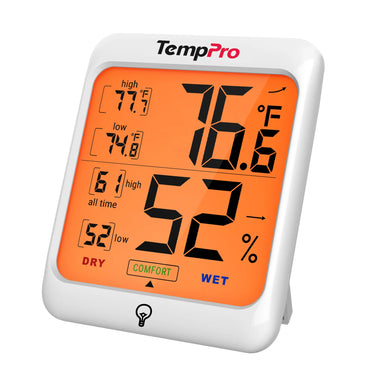
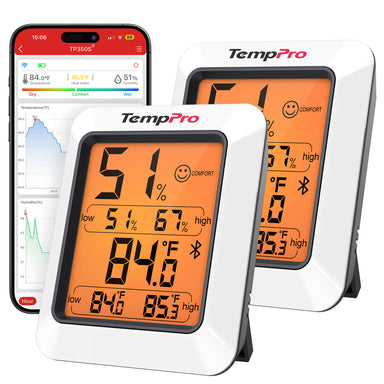
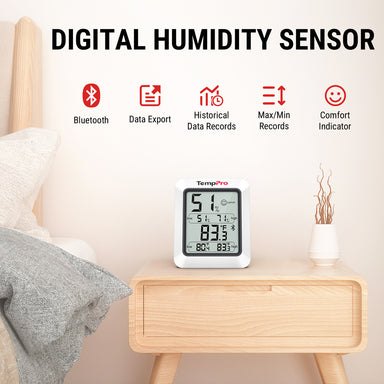
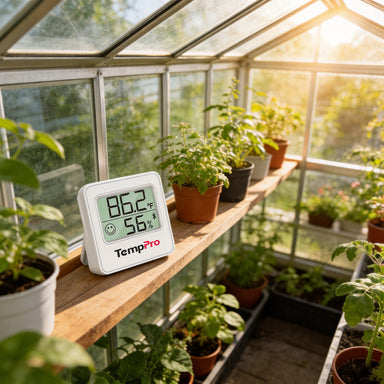
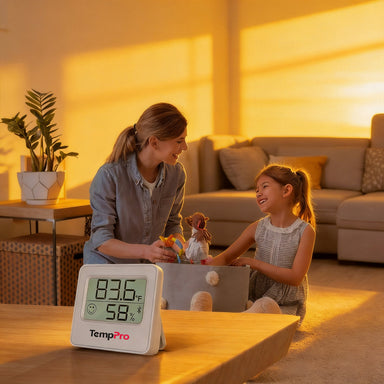
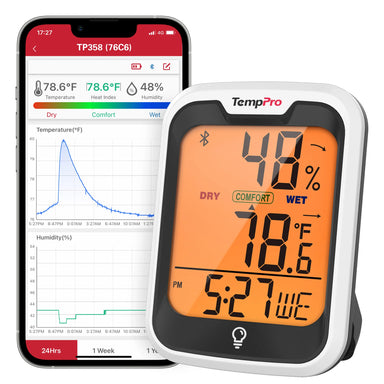
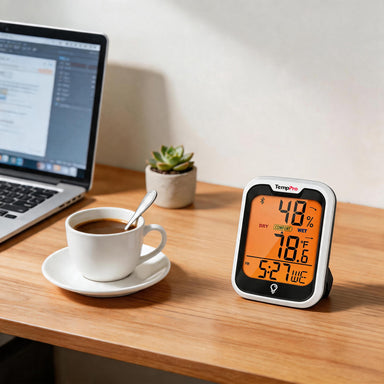
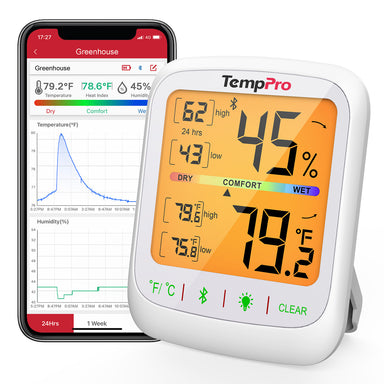
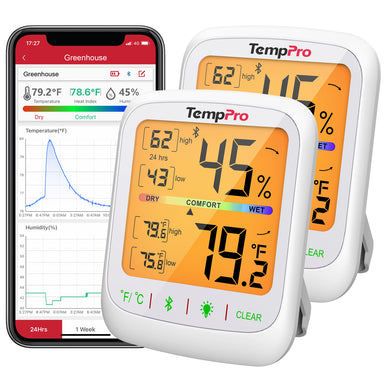
The TempPro TempAir CORE TP50 Digital Indoor Thermometer Hygrometer is a practical option for homeowners who want to keep an eye on winter indoor conditions without complicated setup. It measures both indoor temperature and relative humidity, helping you see whether your home is within your preferred comfort range. Its key features make it useful for everyday monitoring.
- Temperature and humidity readings in one device: measures temperature with an accuracy of ±1°F and humidity with an accuracy of ±2–3% RH. This allows you to monitor both measurements together instead of relying on how the room feels. For example, if your bedroom feels unusually dry in the morning, you can check its humidity reading and compare it with the reading later in the day.
- Readings update every 10 seconds: it refreshes its measurements every 10 seconds, giving you frequent updates as indoor conditions change. You can observe what happens to temperature and humidity while the heating system is running or after you adjust your humidifier.
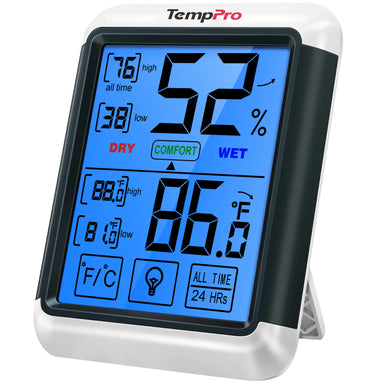
- High and low records help you spot patterns: it displays high and low temperature and humidity records, helping you identify recurring changes, such as humidity dropping overnight or conditions becoming drier when the heating system runs for long periods. You can use these records to make more informed adjustments.
- A comfort indicator makes readings easier to interpret: a three-level comfort indicator displays Dry, Comfortable, or Wet conditions. This provides a quick visual reference when you do not want to interpret every number yourself.
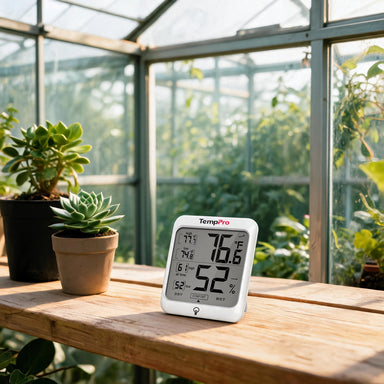
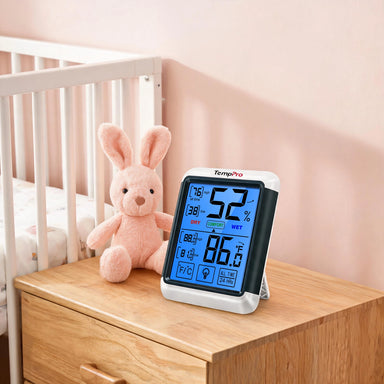
- Flexible placement for everyday home use: It offers a tabletop stand and magnetic backing. You can place it on a bedroom dresser, a living room shelf, or another convenient indoor location.

For more useful readings, position it away from direct sunlight, heating vents, humidifier outlets, and drafty windows. Give the device time to adjust to its surroundings before comparing readings. For homeowners who want a simple way to track indoor temperature and humidity, the TempPro TempAir CORE TP50 can make it easier to notice changes and decide when to adjust indoor conditions. It measures the environment; you can then use that information to manage your heating and humidifier settings more thoughtfully.
How to Use a Hygrometer to Manage Winter Humidity
Getting useful information from your indoor monitor does not require much effort. Follow these steps:
Step 1: Place the monitor in a frequently used room. Start with your bedroom or living room, where you spend a lot of time.
Step 2: Record the initial reading. Note the temperature and relative humidity when you first set up the device.
Step 3: Check readings at different times. Compare morning and evening conditions and observe changes while the heating system runs.
Step 4: Make gradual adjustments. If humidity remains below your target range, consider using a humidifier. If condensation appears, reduce moisture and investigate the cause.
Step 5: Recheck the results. Continue monitoring to see whether your adjustments keep humidity within a suitable range.
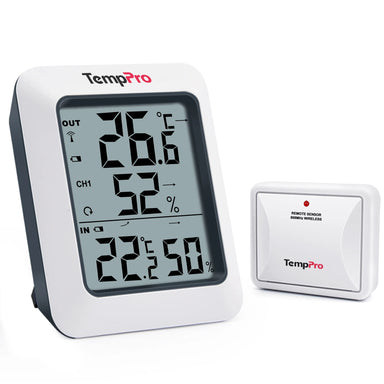
To get a clearer picture of conditions throughout your home, consider monitoring multiple rooms. You can use several individual indoor thermometers and hygrometers or choose a wireless system with a central display and multiple remote sensors. For example, the TempPro TempAir PLUS TP60B Wireless Indoor Outdoor Thermometer Hygrometer lets you monitor temperature and humidity in up to four locations simultaneously, such as a bedroom, nursery, basement, and living room. Comparing readings across these spaces can help you identify differences and decide where adjustments may be needed.

FAQs About Dry Indoor Air in Winter
Wondering how dry your home should be in winter or how to tell if humidity is too low? These FAQs answer common questions about winter indoor air.
Why is my house so dry even with the heat off?
Cold outdoor air can still enter through ventilation, doors, windows, and air leaks. When that air warms indoors, its relative humidity can fall. Indoor humidity also depends on outdoor conditions, moisture sources, and ventilation, not just whether the heating system is running.
Does central heating make indoor air dry?
Central heating can contribute to low indoor humidity by warming air without adding water vapor. The effect depends on outdoor conditions, air exchange, and the type of heating system. Measuring humidity is the best way to determine whether your home is actually too dry.

Is 20% humidity too low for a house in winter?
A relative humidity reading of 20% is below the EPA's general recommendation of 30%–50% for indoor environments. It may contribute to dry skin, irritated nasal passages, and static electricity. However, in very cold climates, you may need to balance comfort with the risk of condensation on windows and exterior walls.
Should I run a humidifier all night?
Not necessarily. Check your indoor humidity first and adjust the humidifier based on the readings, your comfort, and any condensation. Follow the manufacturer's cleaning and maintenance instructions, and avoid allowing indoor humidity to rise excessively.
How can I tell if my house is too dry without a hygrometer?
Common clues include chapped lips, dry skin, static shocks, and discomfort in your nose or throat. However, these symptoms are not definitive because other factors can cause them. A digital hygrometer provides a more reliable way to check relative humidity.
Can a thermometer measure humidity?
A basic thermometer measures temperature only. A hygrometer measures relative humidity, while a digital thermometer-hygrometer combines both functions in one device. The TempPro TempAir CORE TP50 is designed to measure indoor temperature and humidity together.
Final Thoughts
Dry indoor air is common during winter, especially when cold outdoor air and indoor heating combine to lower relative humidity. The good news is that you do not have to guess what is happening in your home.
Start by measuring indoor humidity, aiming for a suitable range, and making gradual adjustments based on actual readings. Use a humidifier when needed, watch for window condensation, and maintain appropriate ventilation.
A digital indoor thermometer and hygrometer, such as the TempPro TempAir CORE TP50, can help you monitor temperature and humidity, recognize changing conditions, and make more informed decisions about your home's indoor environment. With a little observation and a few practical adjustments, you can make your home more comfortable throughout the winter season.


Comments
You May Also Like

Recommended Products