11 errores que debes evitar al asar hamburguesas


 288 Comments


No hay nada como el olor de las hamburguesas chispeando en la parrilla, pero incluso los errores pequeños pueden convertir una gran parrillada en una decepcionante. Desde trabajar demasiado la carne hasta voltear con demasiada frecuencia, muchos parrilleros principiantes arruinan sin saberlo sus hamburguesas antes de que lleguen al plato. En esta guía, repasaremos 11 errores comunes al asar hamburguesas que debes evitar para que puedas servir hamburguesas jugosas y sabrosas en todo momento.
11 consejos para asar hamburguesas que la mayoría de la gente hace mal
Usar carne demasiado magra
Muchos parrilleros principiantes creen que usar carne más magra equivale a hamburguesas con mejor sabor. A primera vista, esta parece ser una opción más saludable. En realidad, esto elimina la jugosidad de la hamburguesa. La grasa es lo que proporciona la jugosidad a las hamburguesas. Si no hay suficiente grasa en la hamburguesa, se secará rápidamente, especialmente cuando se expone a altas temperaturas.
La proporción ideal de carne a grasa debe ser de alrededor de 80/20. Esta proporción crea una hamburguesa bien equilibrada que incluye sabor, humedad y estructura. Una hamburguesa hecha con carne demasiado magra se parecerá a un disco de hockey, en lugar de una hamburguesa adecuada.

Trabajar demasiado la carne
Esta es otra forma común de destruir una hamburguesa antes de que llegue a la parrilla. Mezclar y/o prensar demasiado la carne crea densidad en la hamburguesa, lo cual no es deseable. Debe manipular la carne lo justo para crear una hamburguesa, nada más. Piense en una textura suelta, no densa.
No precalentar la parrilla
Colocar las hamburguesas en una parrilla que no esté completamente precalentada es una receta para el desastre. Sin una superficie de parrilla correctamente calentada, no se puede lograr un sellado adecuado. La carne se pegará a la superficie de la parrilla, se cocinará de manera desigual y liberará sus jugos naturales. El precalentamiento le permite controlar la superficie de la parrilla. Tan pronto como la hamburguesa toque las rejillas de la parrilla, puede asegurarse de que los jugos naturales de la hamburguesa permanezcan sellados.
No conocer la temperatura de la superficie de la parrilla
Aquí es donde la mayoría de la gente adivina la temperatura de la parrilla. Puede que se sienta seguro de que su parrilla está lo suficientemente caliente, sin embargo, no tiene forma de determinar si la parrilla está realmente a la temperatura correcta. La temperatura de la superficie dicta cómo se cocina la hamburguesa de afuera hacia adentro. Si la parrilla está demasiado caliente, quemará el exterior de la hamburguesa antes de que el interior haya alcanzado una temperatura segura. Por el contrario, si la parrilla está demasiado fría, perderá esa agradable costra que se desarrolla en la hamburguesa.
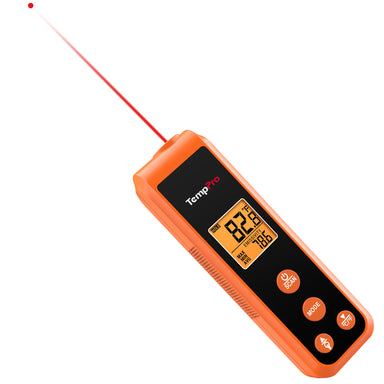
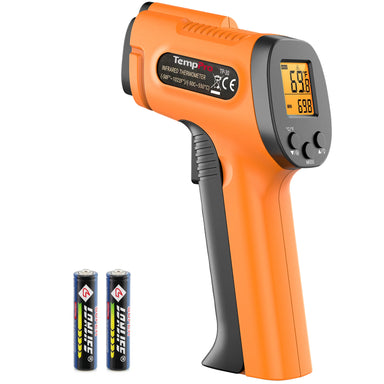
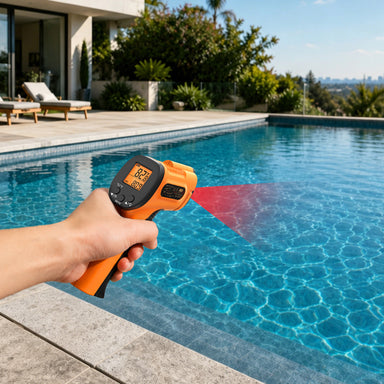
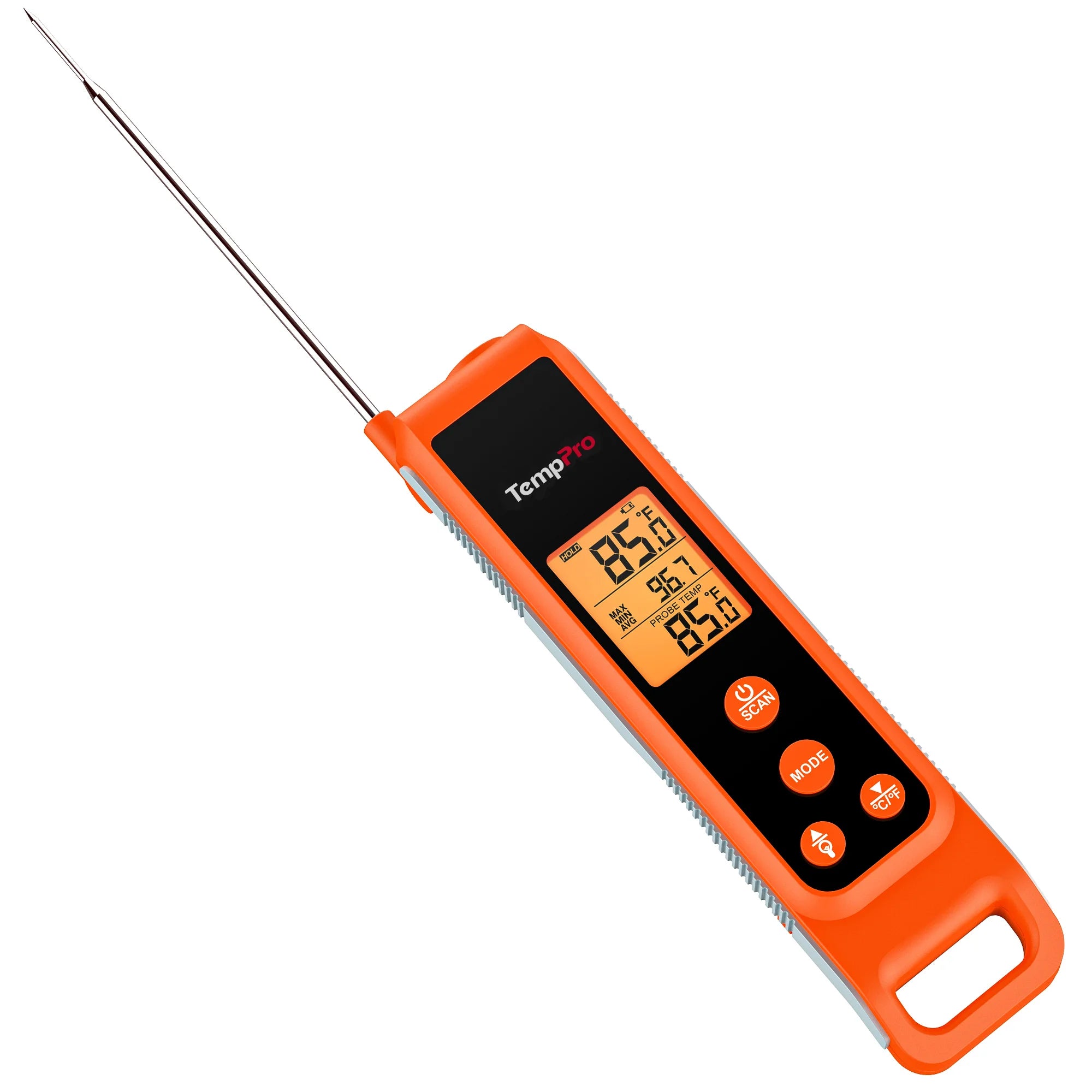
Aquí es donde el Termómetro de carne de lectura instantánea 2 en 1 TempPro TP420 ayuda. Esta unidad utiliza un sensor infrarrojo para proporcionar lecturas instantáneas de la temperatura de la superficie sin tener que tocar la parrilla. Por lo tanto, sabrá exactamente cuándo la parrilla está a la temperatura correcta para agregar las hamburguesas.

Exprimir la hamburguesa mientras se cocina
¡Deja de hacer esto!
Al exprimir la hamburguesa con una espátula, forzará los jugos de la hamburguesa. Estos jugos contienen sabor. Una vez que los jugos se pierden, se han ido. Lo que queda es una hamburguesa seca y poco apetecible. Deja que se cocine, permite que el calor desarrolle los sabores.
Voltear la hamburguesa constantemente
Voltear la hamburguesa varias veces no ayudará a que se cocine más rápido. De hecho, esta práctica es contraproducente para lograr una gran hamburguesa. Cada vez que volteas la hamburguesa, interrumpes el proceso de cocción. Pierdes calor, ralentizas el dorado y evitas el desarrollo de la costra. Voltea la hamburguesa una vez, o posiblemente dos veces como máximo. Cualquier volteo adicional es innecesario.
Adivinar cuándo está lista la hamburguesa
Esta es probablemente el área en la que la mayoría de las hamburguesas fallan. La mayoría de la gente determina el punto de cocción de la hamburguesa mediante:
- Inspección visual
- Textura
- Tiempo
Ninguno de estos métodos es fiable.
La carne molida es particularmente difícil de cocinar con precisión, ya que puede parecer cocida por fuera mientras permanece cruda por dentro. Esto no solo es un problema de calidad, sino también de seguridad alimentaria.
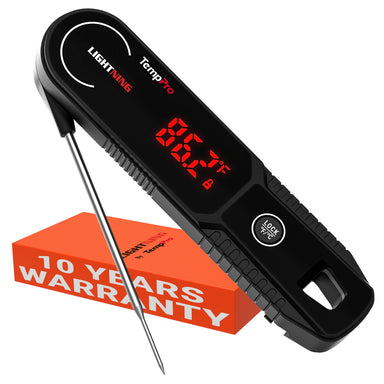
Usar la sonda de carne del TempPro TP420 proporciona respuestas inmediatas. La sonda del TempPro TP420 ofrece una precisión de ±1.8° F y tiempos de lectura de 2 a 3 segundos. Con el TempPro TP420, siempre sabrá la temperatura interna exacta de la hamburguesa. Nunca más se preguntará si la hamburguesa está cocida a una temperatura interna segura de 160° F. Nunca más cuestionará si la hamburguesa se cocinó el tiempo suficiente. Nunca más se preocupará por cortar la hamburguesa y preguntarse si está cocida a su gusto. El TempPro TP420 es una solución instantánea para determinar la temperatura interna de la hamburguesa.

No usar la medición dual: temperaturas superficial e interna
La mayoría de la gente solo considera un aspecto del proceso de cocción: la temperatura interna de la carne. Sin embargo, las hamburguesas exitosas requieren control sobre ambos aspectos del proceso de cocción:
- Temperatura de la superficie de la parrilla
- Temperatura interna de la carne
El TempPro TP420 ofrece esta capacidad dual. El TempPro TP420 no es solo un termómetro de carne de lectura instantánea. Es un termómetro infrarrojo.
Con el TempPro TP420, puede:
- Escanear la superficie de la parrilla antes de cocinar
- Determinar la temperatura de una sartén o plancha
- Medir instantáneamente la temperatura interna de la carne
Con la capacidad de medir y controlar tanto la temperatura de la superficie de la parrilla como la temperatura interna de la carne, tendrá un control completo sobre todo el proceso de cocción.

Cocinar directamente solo sobre calor directo
El calor directo es excelente para sellar. Sin embargo, no es ideal para terminar la hamburguesa. Si cocina continuamente la hamburguesa a la temperatura directa más alta, el exterior de la hamburguesa se cocinará extremadamente rápido, mientras que el interior tendrá dificultades para ponerse al día. Así es como terminará con un exterior quemado y un interior desigual.
Para lograr hamburguesas cocidas de manera uniforme sin perder la textura deseable, utilice el siguiente método:
- Selle las hamburguesas a fuego directo
- Termine de cocinar las hamburguesas a fuego indirecto
No dejar reposar la hamburguesa después de cocinarla
Al igual que los filetes, las hamburguesas se benefician de un tiempo de reposo. Cuando se retira la hamburguesa de la parrilla, los jugos dentro de la hamburguesa siguen fluyendo. Si se corta o se muerde la hamburguesa inmediatamente, los jugos se escaparán. Deje reposar la hamburguesa durante unos minutos. El breve período de espera mejorará en gran medida la textura y el sabor de la hamburguesa.
No utilizar las herramientas correctas
Hay un momento en que la pura habilidad no es suficiente. Si bien puedes mejorar tu técnica, nunca lograrás resultados consistentes sin las herramientas adecuadas. En este punto, la mayoría de los principiantes se frustran. Siguen esforzándose más, en lugar de aprender a cocinar de forma más inteligente.
El TempPro TP420 es la herramienta que cambia esto. El TempPro TP420 proporciona:
- Mediciones instantáneas de la temperatura de la superficie a través de tecnología infrarroja
- Lecturas rápidas y precisas de la temperatura interna
- Función de suspensión/activación automática por detección de movimiento
- Luz de fondo para cocinar en condiciones de poca luz
- Rango de temperatura extremadamente amplio para usar con varios tipos de aplicaciones de cocción como hamburguesas, frituras y barbacoas
El TempPro TP420 está diseñado para su uso en entornos de cocción reales. Ya sea que esté cocinando en el patio, la cocina o en una plancha, el TempPro TP420 está diseñado para soportar las demandas de la cocina del mundo real.

La mayoría de la gente considera que asar a la parrilla es un proceso de prueba y error. Se adaptan a la sesión anterior. Este proceso es lento, impredecible y frustrante. Cuando empiezas a usar la temperatura como guía, cada variable se vuelve predecible. Sabrás cuándo la parrilla está lista. Sabrás cuándo la hamburguesa está cocinada a tu gusto. Sabrás qué esperar cada vez que des un bocado. Esta es la diferencia fundamental entre experimentar un éxito aleatorio y lograr resultados consistentes.
Preguntas frecuentes: Respuestas a preguntas sobre asar hamburguesas
P1. ¿Cuál es la temperatura interna más segura para las hamburguesas?
160°F es la temperatura interna segura recomendada para la carne molida.
P2. ¿Por qué mis hamburguesas siempre quedan secas?
Lo más probable es que se deba a que se cocinaron demasiado o a que se utilizó carne demasiado magra.
P3. ¿Necesito un termómetro infrarrojo para asar a la parrilla?
No es obligatorio, pero un termómetro infrarrojo te da una gran ventaja al ayudarte a controlar la temperatura de la superficie de la parrilla con precisión.
P4. ¿Cuánto tiempo debo cocinar las hamburguesas en la parrilla?
El tiempo varía según el grosor y el calor. La temperatura es más fiable que el tiempo.
P5. ¿Cuál es la forma más rápida de mejorar la cocción de hamburguesas a la parrilla?
Deja de adivinar y empieza a medir las temperaturas de la superficie e internas.
Consideraciones finales
Asar la hamburguesa perfecta no es cuestión de suerte, sino de evitar algunos errores simples pero costosos. Una vez que entiendes qué no hacer, todo, desde el aderezo hasta el volteo, se vuelve mucho más fácil, y tus resultados mejoran instantáneamente. Con estos 11 errores al asar hamburguesas en mente, ahora estás listo para encender la parrilla con confianza y servir hamburguesas jugosas, sabrosas y memorables en todo momento.


Comentarios
También te puede interesar


Productos recomendados