Consejos de seguridad para cenas comunitarias que todo anfitrión debe saber


 288 Comments


El año nuevo trae consigo propósitos, energía renovada y, más que nunca, un deseo de comunidad. Ya sea una comida compartida en la iglesia, una fiesta de barrio o una cena comunitaria, las comidas compartidas vuelven a los calendarios de todo el país. Estas reuniones hacen más que llenar los platos, construyen lazos entre nuevos vecinos, reconectan a viejos amigos y convierten a extraños en compañeros de equipo.
Pero cuando se alimenta a docenas o incluso a cientos de personas, la seguridad alimentaria se vuelve tan importante como la calidad de los alimentos. Un pavo poco cocido o una bandeja de pollo mal mantenida pueden convertir rápidamente una noche de conexión en un desastre al día siguiente. ¿La buena noticia? Prevenir enfermedades transmitidas por los alimentos no requiere equipos de catering caros. Con los conocimientos y las herramientas adecuadas, puede ser un anfitrión con confianza, sabiendo que cada plato es delicioso y seguro.
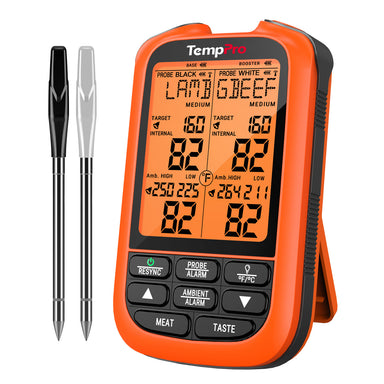
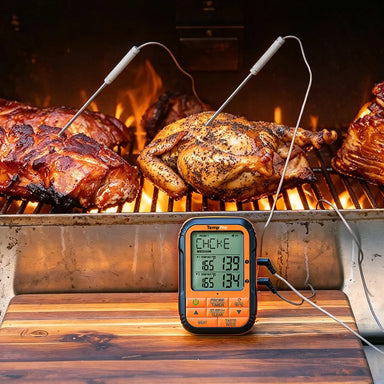
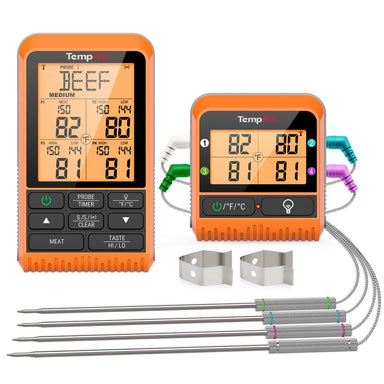
Ahí es donde entra en juego el termómetro de carne inalámbrico TempPro TP20B. Diseñado para grandes cocineros, elimina las conjeturas de las comidas en grandes cantidades y permite a los anfitriones centrarse en lo que realmente importa: la comunidad reunida alrededor de la mesa.
¿Cuáles son los riesgos únicos de la cocina a escala comunitaria?
Cocinar en casa para cuatro personas es una cosa. Cocinar para cuarenta es otra muy distinta. Los eventos más grandes introducen nuevos desafíos de seguridad alimentaria:
- Cortes de carne más grandes. Los pavos enteros, las paletas de cerdo o los briskets tardan horas en cocinarse y pueden parecer cocidos por fuera mientras que por dentro aún están crudos.
- Múltiples cocineros. Los voluntarios a menudo traen sus propios platos, cada uno preparado en una cocina diferente con diferentes niveles de conciencia sobre la seguridad alimentaria.
- Tiempos de servicio extendidos. Los buffets pueden dejar la comida en la zona de peligro (40°F-140°F) durante horas si no se supervisan.
- Utensilios y áreas de servicio compartidos. Estos crean oportunidades para la contaminación cruzada entre alimentos crudos y cocidos.

Cuando se trata de cenas comunitarias, incluso un pequeño error puede afectar a docenas de personas. Por eso, los anfitriones inteligentes consideran la seguridad alimentaria como algo innegociable.
¿Por qué la temperatura de los alimentos es el estándar de oro?
El color, la textura y el tiempo no son indicadores fiables del punto de cocción. El pollo puede verse blanco antes de ser seguro, y los asados grandes pueden permanecer rosados incluso cuando están completamente cocidos. La única forma precisa de saber que la comida es segura es comprobando la temperatura interna.
Estas son las pautas del USDA que todo anfitrión comunitario debe conocer:
- Aves (enteras o molidas): 165°F
- Carnes molidas (res, cerdo, cordero): 160°F
- Res, cerdo, cordero (filetes, asados, chuletas): 145°F con un reposo de 3 minutos
- Pescado: 145°F
- Sobras y cazuelas: 165°F
Comprobar las temperaturas con un termómetro de alimentos fiable ayuda a evitar enfermedades y a obtener alimentos jugosos y perfectamente cocinados.
Conozca el TempPro TP20: un elemento esencial para la cena comunitaria
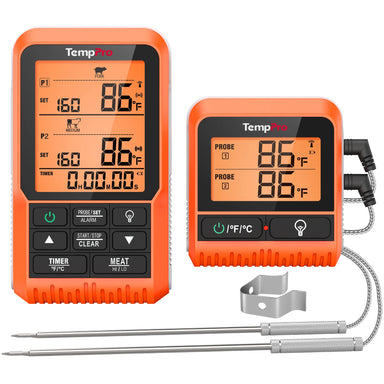
El Termómetro de carne inalámbrico TempPro TP20B fue diseñado precisamente para este tipo de reuniones, grandes comidas donde la precisión y la comodidad importan.
Por qué es la elección correcta:
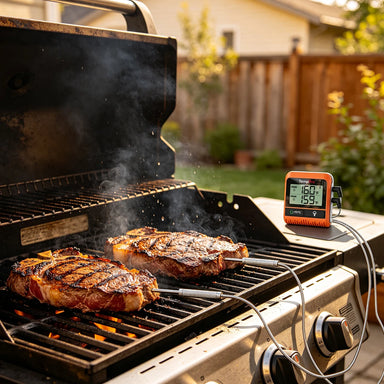
- Monitoreo de doble sonda. Cocine dos platos o controle la temperatura interna de la carne y la temperatura ambiente del horno o ahumador al mismo tiempo.
- Gran alcance inalámbrico. El receptor de mano funciona hasta a 500 pies de distancia, para que pueda mezclarse con los invitados mientras su asado o pavo se cocina.
- Temperaturas preestablecidas del USDA. Los ajustes de temperatura seguros incorporados para 10 carnes diferentes significan que incluso los cocineros menos experimentados pueden garantizar la seguridad alimentaria.
- Alertas manos libres. Una alarma le notifica cuando su comida alcanza la temperatura correcta, para que no tenga que estar pegado a la cocina o la parrilla.
- Sin problemas de configuración. A diferencia de los termómetros de alimentos basados en aplicaciones, el TempPro TP20B viene pre-sincronizado de fábrica; simplemente enciéndalo y comience a cocinar.

Para grandes cenas comunitarias, es como tener un par de ojos extra y confiables en el horno.
Un escenario con el que todo anfitrión puede identificarse
Imagine esto: usted está a cargo del plato principal en la cena de Año Nuevo de su vecindario, un pavo enorme y un brisket ahumado. Los invitados llegan temprano, las cazuelas se acumulan y la gente quiere su atención. No puede pasar la noche acampado junto al horno.
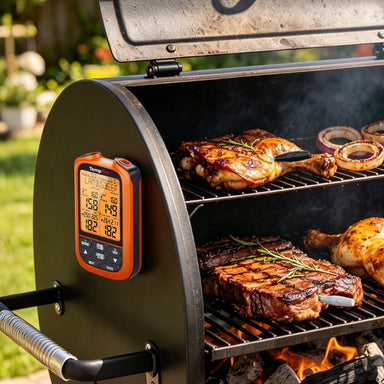
En su lugar, inserte las sondas duales del TempPro TP20B: una en la pechuga de pavo, otra en el brisket. El receptor está en su bolsillo. Mientras saluda a los vecinos, rellena las bebidas y revisa los acompañamientos, mira hacia abajo y sabe exactamente lo que está sucediendo con ambas proteínas sin levantar la tapa.
Cuando el pavo alcanza los 165 °F, el TempPro TP20B le avisa al instante. El brisket sube lentamente hacia su objetivo de 203 °F, y no necesita abrir el ahumador cada 30 minutos para adivinar. Todo está a tiempo, seguro y sin estrés.
Ese es el poder de la herramienta adecuada.
6 consejos para organizar comidas comunitarias seguras y deliciosas
- Comience con áreas de preparación limpias. Limpie las superficies con una solución desinfectante antes de comenzar a cocinar.
- Separe lo crudo de lo cocido. Use tablas de cortar y utensilios diferentes para evitar la contaminación cruzada.
- Cocine hasta la temperatura, no por la apariencia. Confíe en las lecturas de la sonda del TempPro TP20B para guiarse.
- Mantenga los alimentos calientes calientes (140 °F o más) y los alimentos fríos fríos (40 °F o menos). Use bandejas calentadoras, ollas de cocción lenta o baños de hielo según sea necesario.
- Tenga en cuenta el tiempo. Siga la regla de las 2 horas para los platos perecederos que se dejan fuera, o 1 hora si la habitación está caliente.
- Etiquete los platos con alérgenos. Más allá de la temperatura, la seguridad también significa proteger contra riesgos de salud evitables.
Estas prácticas no solo previenen enfermedades transmitidas por los alimentos, sino que también aseguran a los invitados que su anfitrión valora su salud tanto como su disfrute.
¿Por qué usar TempPro TP20B en una cena comunitaria?
Las cenas comunitarias se basan en la confianza. Cuando los vecinos comparten una comida, están depositando su fe en las cocinas, los ingredientes y las habilidades culinarias de los demás. Al utilizar una herramienta como el TempPro TP20B, los anfitriones envían un mensaje claro: "Me preocupo tanto por su experiencia como por su bienestar".
Esa confianza da sus frutos, y no solo en tranquilidad. Se traduce en elogios por la comida perfectamente cocinada, en una asistencia repetida a futuras reuniones y en los lazos más fuertes que se forman alrededor de la mesa.

Más allá de la cena: usos cotidianos del TP20B
El TempPro TP20 no es solo una herramienta para "eventos especiales", sino que también resulta muy útil en las cocinas de todos los días. Úselo para:
- Monitorear asados dominicales.
- Revisar el pollo en la parrilla entre semana.
- Ahumar costillas durante las barbacoas de verano.
- Hornear pan o pizza con control preciso de la temperatura.
Es el tipo de producto en el que tiene sentido invertir una vez y luego confiar durante años, ya sea que esté cocinando para una fiesta de barrio o solo para su familia.
Haciendo de la seguridad alimentaria parte de la celebración
A primera vista, hablar de enfermedades transmitidas por los alimentos puede parecer un aguafiestas. Pero cuando se hace correctamente, se convierte en parte de la celebración en lugar de una distracción. Los invitados notan cuando un anfitrión es atento y está preparado, y un termómetro como el TempPro TP20B es una forma discreta de demostrar ese cuidado. En lugar de cortar ansiosamente un asado para "comprobar" el punto de cocción o disculparse por el pavo seco, presenta comida perfectamente cocinada con confianza. Esa seguridad establece el tono: esta es una reunión donde la gente puede relajarse, reír y comer sin preocupaciones. La seguridad alimentaria no tiene por qué ser clínica, y se puede integrar en la hospitalidad de forma tan natural como servir una bebida o pasar una bandeja.
Creando tradiciones que perduran
Las cenas comunitarias no son solo una noche, sino que se trata de crear tradiciones que la gente espera con ansias año tras año. La comida juega un papel central en esa continuidad. Cuando los vecinos saben que pueden contar con comidas que son deliciosas y seguras, la asistencia crece y los lazos se profundizan. Usar el TempPro TP20B es parte de la construcción de esa reputación. Es el tipo de herramienta entre bastidores que asegura que cada pavo, brisket o pollo asado servido en su mesa mejora, no arriesga, la experiencia comunitaria. Con el tiempo, su hogar o salón se convierte en el centro de confianza para las comidas compartidas, no solo por las recetas, sino por el cuidado que hay detrás de ellas. Así es como las tradiciones echan raíces: no con el azar, sino con la consistencia, la fiabilidad y la atención del anfitrión.
Cocina inteligentemente, sirve de forma segura y deja que el TempPro TP20B sea tu compañero silencioso en la construcción de la comunidad, un plato a la vez.
Preguntas frecuentes (FAQ) sobre el TempPro TP20B
P1: ¿A qué temperatura se debe cocinar el pavo en una cena comunitaria?
R: El pavo y otras aves siempre deben cocinarse a una temperatura interna de 165 °F. Esto asegura que se destruyan las bacterias dañinas como la Salmonella. Con las sondas dobles del TempPro TP20B, puede controlar la carne de la pechuga y la del muslo para confirmar una cocción uniforme.
P2: ¿Cómo ayuda el TempPro TP20 en grandes reuniones?
R: El receptor inalámbrico del TP20B funciona hasta a 500 pies de distancia, lo que le permite socializar con los invitados mientras monitorea su comida. Las sondas dobles le permiten verificar dos cortes de carne o la temperatura del horno y la de la carne al mismo tiempo.
P3: ¿Puedo usar el TP20B para otros alimentos además de la carne?
R: Sí. Aunque es ideal para asados, falda y aves, el TP20B también se puede usar para guisos, platos horneados e incluso pan horneado para asegurar una cocción adecuada.
P4: ¿Es difícil de configurar el TP20B?
R: No. A diferencia de los termómetros de carne basados en aplicaciones, el TP20B viene pre-sincronizado de fábrica. Simplemente encienda el transmisor y el receptor, inserte las sondas y estará listo para cocinar.
P5: ¿El TP20B viene con temperaturas preestablecidas?
R: Sí. El TP20B incluye temperaturas preestablecidas recomendadas por el USDA para 10 carnes diferentes, lo que lo hace fácil de usar incluso para cocineros menos experimentados.
P6: ¿Qué garantía incluye el TP20?
R: Al igual que otros productos TempPro, el TP20B incluye una garantía estándar que se puede extender a 3 años al registrarse en el sitio web de TempPro.
Consideraciones finales
Las cenas comunitarias son más que comida; son sobre conexión. Pero mantener a todos seguros nunca debería quedar en segundo plano frente a la celebración. Una enfermedad transmitida por los alimentos puede arruinar más que una comida; puede socavar la misma confianza que estos eventos pretenden construir.
Al elegir una herramienta como el Termómetro de carne inalámbrico TempPro TP20B, se equipa para ser un anfitrión con confianza. Con sondas dobles, un largo alcance inalámbrico, temperaturas preestablecidas del USDA y una configuración sin complicaciones, elimina la incertidumbre de cocinar en grandes cantidades.
Así que, mientras da la bienvenida a nuevos vecinos, se reencuentra con viejos amigos y da la bienvenida a un nuevo año de comunidad, recuerde esto: la comida deliciosa une a las personas, pero la comida segura hace que vuelvan.


Comentarios
También te puede interesar


Productos recomendados